
Understanding Pavers and Their Benefits
Pavers have become a preferred choice for homeowners looking to enhance the aesthetics and functionality of their outdoor spaces. Whether you’re interested in installing a new patio, walkway, or driveway, understanding the versatility and advantages of pavers can help you make an informed decision. From aesthetic appeal to durability, pavers provide a myriad of benefits that cater to various home styles and personal preferences. When exploring options, Pavers near me can provide comprehensive insights tailored to your local area.
What Are Pavers and Their Uses?
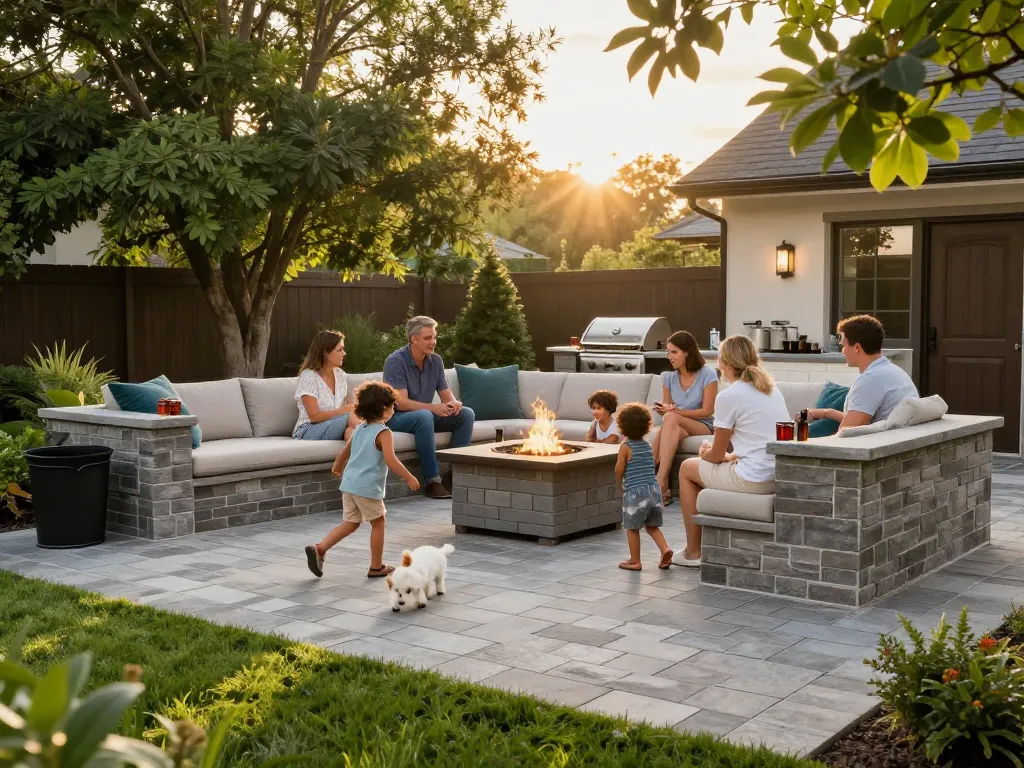
Pavers are typically precast concrete, brick, or stone materials used to create outdoor surfaces such as patios, driveways, and walkways. Unlike poured concrete, pavers interlock, creating a durable surface resistant to cracking and other wear over time. Their adaptability makes them suitable for various applications, including outdoor kitchens, fire pits, and pool decks. Moreover, with countless shapes, colors, and finishes available, homeowners can customize their outdoor spaces to reflect their unique style.
Benefits of Choosing Pavers for Your Outdoor Spaces
Choosing pavers for your outdoor projects comes with several benefits:
- Durability: Pavers are engineered to withstand heavy loads and resist weather-related issues.
- Low Maintenance: Unlike traditional surfaces, pavers require minimal maintenance, making them ideal for busy households.
- Versatility: Available in a range of materials, colors, and styles, pavers can complement any architectural design.
- Eco-Friendly Options: Many pavers are made from recycled materials, providing sustainable choices for the environmentally conscious homeowner.
- Easy Repair: Should a paver become damaged, individual pavers can be removed and replaced without the need for extensive repairs.
How Pavers Enhance Aesthetic Appeal
Pavers add visual interest and character to outdoor spaces. Their varied textures, colors, and patterns can complement your home’s exterior, creating a cohesive look. For instance, interlocking pavers can be arranged in intricate patterns, while natural stone pavers add rustic charm. Customization options allow homeowners to design patios that serve as functional outdoor living areas, turning backyards into extensions of their homes.
Popular Types of Pavers Available Near Me
Concrete Pavers: Durability Meets Versatility
Concrete pavers are perhaps the most widely used type of paver due to their strength and versatility. They are available in numerous sizes, colors, and finishes, allowing homeowners to create unique designs. Concrete pavers are especially suitable for driveways and walkways because they can withstand heavy traffic without cracking or buckling.
Brick and Stone Pavers: Classic and Timeless Choices
Brick and stone pavers offer a classic aesthetic that can enhance any landscape. Brick pavers are known for their traditional look and strong durability. Stone pavers, on the other hand, provide a more natural appearance, often used in more ornamental designs. Both options are highly durable and can withstand harsh weather conditions.
Porcelain and Eco-Friendly Pavers for Sustainable Living
Porcelain pavers are increasingly popular for outdoor spaces due to their sleek look and excellent durability. They are resistant to stains and fading, making them ideal for patios and pool areas. Additionally, eco-friendly pavers made from recycled materials provide sustainable options without compromising on style or quality.
Choosing the Right Paver for Your Project
Factors to Consider When Selecting Pavers
When selecting pavers, consider the following factors:
- Purpose: Determine how the space will be used—whether for walking, entertaining, or parking vehicles.
- Climate: Consider how local weather conditions might affect the materials you choose.
- Style: Match the paver style with your home’s exterior for a cohesive look.
Comparing Cost and Aesthetic Value
While cost is an essential factor to consider, it shouldn’t be the only consideration. The aesthetic value that different types of pavers bring to your outdoor space can justify a higher price. It’s crucial to balance quality and budget by exploring various materials and designs that align with your financial plans.
Understanding Local Climate Impacts on Paver Longevity
Before choosing pavers, consider the local climate’s impact on their longevity. For example, freezing temperatures can cause concrete to crack, while clay bricks may not withstand extremely high heat. Understanding how weather conditions affect different paver materials will help you make a wiser investment in your outdoor renovations.
Installation Process and Best Practices
DIY vs. Professional Installation: Which to Choose?
Homeowners often face the decision of whether to install pavers themselves or hire a professional. DIY installation can save money, but it requires knowledge, skill, and the right tools. On the other hand, hiring professionals ensures a quality finish and an understanding of best practices, potentially saving you time and effort in the long run.
Steps for Proper Paver Installation
The installation process generally includes the following steps:
- Excavation: Remove existing materials and prepare the area.
- Base Layer: Add a compacted base layer for drainage and stability.
- Sand Layer: Spread a layer of sand to create a smooth base for the pavers.
- Placing Pavers: Lay the pavers in your desired pattern, ensuring they’re tight together.
- Finishing Touches: Fill gaps with sand and compact the surface to lock pavers in place.
Common Mistakes to Avoid When Installing Pavers
Avoiding common installation mistakes can save you time and money:
- Skipping the base layer, which leads to settling.
- Not properly leveling the surface, resulting in water pooling.
- Ignoring local regulations regarding materials and installation.
Maintaining Your Paver Installation
Essential Maintenance Tips for Longevity
To extend the life of your pavers, regular maintenance is essential. Here are some tips:
- Clean regularly with a broom or pressure washer to remove dirt and debris.
- Inspect joints and refill sand as necessary to prevent weeds.
- Seal your pavers every few years to protect them from stains and weathering.
Restoration Techniques for Aging Pavers
Over time, pavers may show signs of aging. Restoration techniques include power washing, re-sanding the joints, and applying sealants to rejuvenate their appearance. For severely damaged pavers, replacement may be necessary.
Preparing Your Pavers for Seasonal Changes
Seasonal changes can impact the condition of your pavers. In cold climates, ensure surfaces are cleared of ice and snow to prevent cracking. In hot climates, applying sealant can help prevent fading and warping.
How Can Pavers Transform Your Home’s Outdoor Space?
Pavers can dramatically change the look and feel of your outdoor space. A well-designed patio can serve as an inviting area for family gatherings, while a beautifully paved driveway enhances your home’s curb appeal. Integrating elements like fire pits and outdoor kitchens using pavers can create a seamless transition between indoor and outdoor living, making your home a true sanctuary.
What Are the Costs Associated with Paver Installation?
The cost of paver installation varies depending on material selection, labor, and project size. On average, homeowners can expect to spend between $10 to $30 per square foot for material and installation combined. Factors such as complexity, design, and local labor rates will affect overall costs, so obtaining several quotes is advised.
Are There Environmentally Friendly Paver Options?
Yes, many companies now offer environmentally friendly pavers made from recycled materials. These options not only help reduce waste but often come with the same durability and aesthetic appeal as traditional pavers. Homeowners looking to minimize their ecological footprint can explore these sustainable choices.
How Do Pavers Compare to Other Outdoor Flooring Options?
When compared to other outdoor flooring options like poured concrete, asphalt, or tile, pavers offer distinct advantages. They are generally more durable, require less maintenance, and add aesthetic value to outdoor spaces. Unlike concrete, pavers can be easily replaced if damaged, and they provide better drainage, reducing the risk of flooding.
What Maintenance Is Required for Paver Patios?
Paver patios require periodic cleaning, joint refilling, and sealing. Performing these maintenance tasks will help preserve their beauty and functionality over time. Regular upkeep not only extends the life of your patio but also keeps it looking its best throughout the seasons.
Where Can I Find Paver Installation Services Near Me?
Whether you’re searching for local paver services or looking to procure the best materials, exploring options in your area can lead to better deals and personalized service. Companies like Arriaga Pavers, for instance, offer tailored solutions that can fit the specific needs of your outdoor project, ensuring that your vision comes to life.