
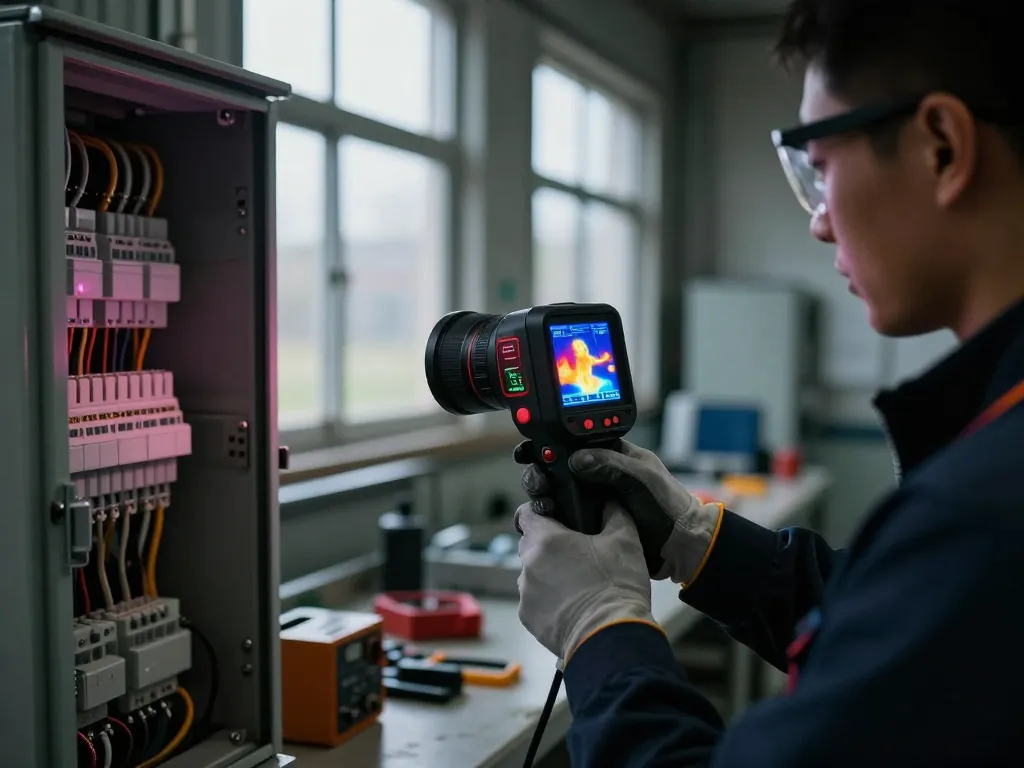
What is Thermal Imaging Technology?
Thermal imaging technology has revolutionized the way we visualize and analyze heat. It operates on the principle that all objects emit infrared radiation, which can be captured and translated into a visual format. This non-invasive method is invaluable in various fields, from building inspections to medical diagnostics. Thermal cameras, such as the how does a thermal imaging camera work, play a crucial role in identifying heat patterns that are invisible to the naked eye, thus enhancing our understanding of thermal phenomena.
Basics of Infrared Radiation
Infrared radiation is a type of electromagnetic radiation with wavelengths longer than visible light. This means it is not perceivable by human eyes but can be detected by thermal cameras. Objects at any temperature above absolute zero emit infrared radiation, and the amount of radiation increases with temperature. Thermal imaging exploits this principle, allowing for the visualization of heat differences in various environments.
Differences Between Thermal and Visible Light
Visible light cameras capture images based on the visible spectrum, primarily focusing on light that human eyes can see. In contrast, thermal cameras detect infrared radiation. This distinction is important; while visible light cameras can be ineffective in low light or complete darkness, thermal cameras maintain functionality by highlighting temperature discrepancies. As such, thermal imaging is advantageous in various scenarios like night-time surveillance or inspecting electrical systems where traditional cameras might fail.
Applications in Various Industries
Thermal imaging technology finds applications across numerous industries:
- Construction and Building Inspections: Identifying insulation issues, air leaks, and moisture intrusion.
- Electrical Inspections: Detecting overheating components before failures occur.
- Healthcare: Aiding in the diagnosis of conditions by identifying abnormal temperature variations.
- Firefighting: Locating hotspots in smoke-filled environments.
- Manufacturing: Monitoring processes and equipment for efficiency.
How Does a Thermal Imaging Camera Work?
Understanding how a thermal imaging camera works involves recognizing its core components and their functions. These cameras, equipped with advanced infrared sensors, convert thermal radiation into electronic signals, creating a thermal image that can be analyzed for further insights.
Core Components and Their Functions
A thermal imaging camera typically consists of:
- Infrared Sensor: Detects infrared radiation emitted by objects.
- Optical Lens: Focuses the infrared radiation onto the sensor.
- Processor: Translates the signal into a thermal image, applying color palettes to represent temperature variations.
- Display: Shows the processed thermal image for analysis.
- Storage Media: Allows for saving images and recordings for future reference.
The Process of Heat Detection
When using a thermal camera, the infrared sensor detects radiation from all objects within its field of view. The sensor measures the intensity of this radiation, which correlates to the object’s temperature. The processor then converts this data into a visual representation, typically color-coded, to help users identify hot and cold spots quickly. This heat mapping facilitates easier decision-making in inspections and diagnostics.
Image Processing Techniques
Image processing techniques enhance the interpretability of thermal images. Common techniques include:
- Temperature Scaling: Assigning colors to specific temperature ranges to improve visualization.
- Image Fusion: Combining thermal images with visible light images for a comprehensive view.
- Contrast Enhancement: Improving visibility of details in the thermal image.
Applications of Thermal Imaging Cameras
Thermal imaging cameras are versatile tools used in several critical applications, providing invaluable data across industries. Their ability to visualize temperature variances enables users to make informed decisions quickly.
Industrial Inspections
In industrial settings, thermal cameras are essential for maintaining equipment efficiency and safety. They help in identifying overheating electrical components, insulation failures in buildings, and potential mechanical issues by revealing temperature discrepancies that could indicate problems, thus preventing costly downtime.
Environmental Monitoring
Thermal imaging is key in environmental monitoring, where it helps in observing temperature variations in natural habitats, tracking wildlife, and assessing the impacts of climate change. By analyzing thermal patterns, researchers can gain insights into ecological health and direct conservation efforts effectively.
Healthcare and Medical Diagnostics
In healthcare, thermal cameras assist in detecting conditions such as inflammation, poor circulation, and even potential tumors by visualizing temperature differences in the body. This non-invasive technique is changing how practitioners diagnose and monitor health conditions, offering fast and reliable insights.
Choosing the Right Thermal Camera for Your Needs
Selecting the appropriate thermal camera involves understanding specific requirements and key features that suit your applications.
Key Features to Consider
When evaluating thermal cameras, consider the following features:
- Resolution: Higher resolution cameras provide more detail for accurate diagnostics.
- Temperature Range: Cameras should cover the temperature range necessary for your applications.
- Sensitivity: A lower thermal sensitivity indicates the ability to detect minor temperature differences.
- Battery Life: Longer battery life benefits users requiring extended use without interruptions.
Comparison of Popular Models
Each thermal camera model offers varying features. For instance, the HANMATEK® Ti240 Thermal Camera boasts a resolution of 240 × 240 pixels and thermal sensitivity of ≤60 mK, making it ideally suited for professionals who require high-precision diagnostics. In comparison, the Ti260 may offer enhanced capabilities, making it better for more demanding applications.
Understanding Specifications and Terminology
Familiarity with terminology is crucial when reviewing thermal camera specifications:
- IR Resolution: The number of pixels in the infrared image; higher numbers provide better detail.
- Thermal Sensitivity: The minimum temperature difference that the camera can detect.
- Field of View (FOV): The extent of the observable environment visible through the camera lens.
Future Trends in Thermal Imaging Technology
As technology continues to evolve, thermal imaging is poised for significant advancements that will further enhance its applications and effectiveness across various sectors.
Advancements in Camera Technology
Future thermal cameras may incorporate artificial intelligence to analyze thermal images in real-time, providing instant feedback and enhancing decision-making. Additionally, the integration of more sensitive detectors and advanced image processing software will likely improve both accuracy and ease of use.
Emerging Applications for 2026 and Beyond
Beyond traditional uses, we may see thermal imaging being utilized in innovative ways, including in autonomous vehicles for enhanced navigation systems and smart home technology for energy efficiency monitoring by detecting heat loss.
Expert Insights on Market Developments
Industry experts predict that the demand for thermal imaging will continue to grow, particularly in sectors focused on safety, efficiency, and sustainability. With rising awareness of energy conservation and preventive maintenance, thermal cameras will play an increasingly vital role in various applications.
What are the common uses of thermal cameras?
Common uses include electrical inspections, building diagnostics, healthcare monitoring, and environmental assessments. They provide critical data necessary for proactive maintenance and safety evaluations.
How accurate are thermal imaging cameras?
Thermal imaging cameras can achieve measurement accuracy levels of ±2°C or ±2%, depending on the model and environmental conditions. The accuracy may vary based on calibration and atmospheric influences.
Can thermal imaging detect hidden issues?
Yes, thermal imaging is excellent for identifying hidden issues such as leaks, insulation gaps, and electrical problems, as it reveals temperature differences that might not be visible otherwise.
What maintenance is required for thermal cameras?
Regular maintenance includes cleaning the lens, checking the calibration, and ensuring software updates as they become available. Proper storage and handling can also extend the lifespan of your thermal camera.
Are thermal cameras suitable for DIY projects?
While thermal cameras can be beneficial for DIY enthusiasts, proper training on interpreting thermal images is recommended. Understanding the technology enables users to effectively leverage thermal imaging for home inspections and repairs.