
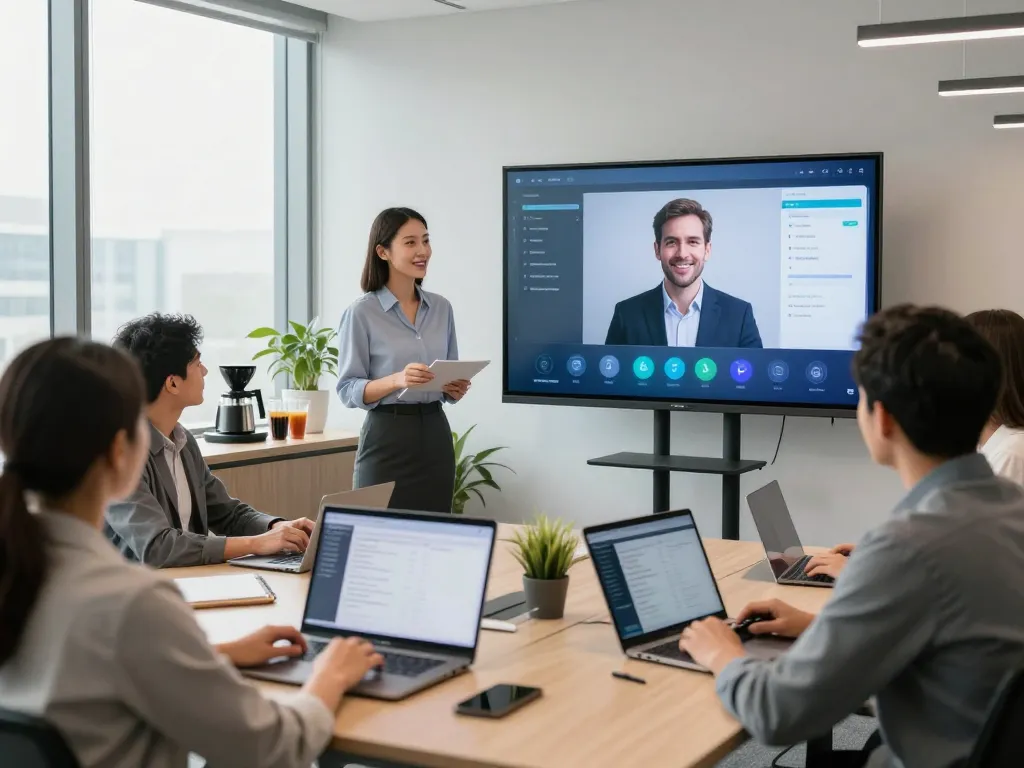
Understanding the AI Interviewer Landscape
In recent years, the march of technology has revolutionized recruitment processes, with the AI interviewer emerging as a pivotal player in this transformation. As businesses seek to streamline hiring while ensuring candidate quality, AI-driven solutions are gaining traction. The use of AI interviewers not only enhances efficiency but also helps organizations maintain consistency and fairness in evaluations. With advancements in machine learning and natural language processing, these intelligent systems are capable of conducting engaging and meaningful conversations with candidates. When exploring options, AI interviewer technologies like HeyMilo demonstrate the future of high-volume recruitment.
What is an AI Interviewer?
An AI interviewer is a sophisticated software solution designed to automate the interview process. Unlike traditional hiring methods, where human recruiters conduct face-to-face or phone interviews, AI interviewers leverage algorithms and machine learning to evaluate candidates. They can ask questions, assess responses in real time, and adapt the conversation based on the candidate’s answers. This technology allows companies to manage large volumes of applicants efficiently, ensuring that no candidate is overlooked. These systems are not just limited to basic question-asking; they can accommodate complex role-specific queries and even evaluate candidates’ soft skills through conversational interactions.
The Technology Behind AI Interviewers
At the core of AI interviewers lies a combination of artificial intelligence capabilities, particularly natural language processing (NLP) and machine learning (ML). NLP enables AI systems to understand, interpret, and generate human language, making interactions with candidates more natural and engaging. Machine learning algorithms analyze vast datasets of interview responses, learning patterns that correlate with successful candidate profiles. Together, these technologies allow AI interviewers to provide personalized experiences, ensuring that candidates feel heard and valued throughout the process.
Current Trends in AI Interviewing (2026)
As we look toward 2026, certain trends in AI interviewing are shaping the recruitment landscape. One significant trend is the rise of conversational AI, which focuses on delivering a more human-like interaction during interviews. Companies are increasingly seeking AI solutions that not only assess technical skills but also gauge cultural fit and interpersonal abilities. Another trend is the integration of AI interviewers with applicant tracking systems (ATS), allowing for seamless management of candidate data and evaluation metrics. Additionally, multilingual support is becoming essential as businesses expand globally, ensuring inclusivity and accessibility for all candidates.
Benefits of Implementing AI Interviewers
The adoption of AI interviewers brings numerous advantages that can transform hiring processes for organizations of all sizes. Here are some key benefits:
Time Efficiency in Recruitment Processes
One of the most significant benefits of AI interviewers is the substantial time savings they offer. Traditional interview processes can be lengthy, often causing delays in hiring decisions. AI interviewers can conduct multiple interviews simultaneously, drastically reducing the time to shortlist candidates. This efficiency enables recruitment teams to focus on higher-level decision-making and strategic initiatives rather than getting bogged down in administrative tasks. By automating the screening process, organizations can significantly accelerate their time-to-hire, which is crucial in competitive job markets.
Enhancing Candidate Experience with AI
AI interviewers excel at creating a positive candidate experience. They offer flexibility in scheduling and allow candidates to complete interviews at their convenience. Unlike conventional interviews, where candidates may feel pressured or judged, AI-driven interactions tend to be more relaxed and conversational. This environment encourages candidates to present their true selves, leading to a more authentic assessment of their capabilities. As a result, businesses not only attract top talent but also improve their employer brand and reputation.
Consistent Evaluation Metrics for Candidates
Another advantage of using AI interviewers is the consistency they bring to candidate evaluations. By setting predefined criteria and metrics, AI systems ensure that all candidates are assessed on the same standards, reducing biases that may arise in human-led interviews. This level playing field enhances fairness in the hiring process and allows recruiters to focus on qualifications rather than subjective opinions. Additionally, the data collected during AI interviews can be used to generate analytics and insights, enabling continuous improvement in recruitment strategies.
Challenges and Solutions in AI-Driven Recruitment
While the benefits of AI interviewers are compelling, organizations must also navigate certain challenges when implementing these systems. Here are some common obstacles and their potential solutions:
Addressing Bias in AI Interviewing
One of the most pressing concerns with AI technologies is the potential for bias in candidate evaluations. If an AI system is trained on historical data that reflects biased hiring practices, it may replicate these biases in its assessments. To combat this, companies must ensure that their data is representative and diverse. Regular audits and validations of AI performance should be conducted to ensure fairness. Moreover, organizations can implement transparency measures to understand how AI algorithms make decisions and adjust criteria as necessary.
Technical Barriers and Integration Issues
Integrating AI interviewers into existing recruitment processes can pose technical challenges. Companies may face compatibility issues with current applicant tracking systems or other HR technologies. To mitigate these challenges, organizations should choose AI solutions that prioritize seamless integration and offer support during the transition. Conducting thorough evaluations of potential AI tools and their integration capabilities is essential before implementation.
Maintaining Human Touch in AI Interviews
Despite the advantages of AI interviewers, preserving the human aspect of recruitment is vital. Candidates still value human interaction and the opportunity to build rapport. To balance AI efficiency with human touch, organizations can use AI as a first stage in the interviewing process, followed by human interviews for shortlisted candidates. This hybrid approach combines the strengths of both AI and human recruiters while ensuring a comprehensive candidate experience.
How to Integrate AI Interviewers into Your Hiring Strategy
Integrating AI interviewers into an organization’s hiring strategy requires careful planning and execution. Here are essential steps to effectively implement this technology:
Choosing the Right AI Interview Tool
When selecting an AI interview tool, it is crucial to assess various platforms based on their features, capabilities, and ease of use. Organizations should prioritize tools that align with their specific hiring needs and provide flexibility for customization. Features to look for include multilingual support, the ability to conduct telephone and browser-based interviews, and integration with existing ATS solutions.
Step-by-Step Implementation Guide
A successful implementation of AI interviewers involves a phased approach. Start with a pilot program to test the technology with a small group of candidates. Gather feedback from both candidates and hiring managers to identify areas for improvement. After refining the process, gradually scale up the use of AI interviewers across various roles and locations. Continuous monitoring and optimization will help ensure that the AI interview system meets the organization’s evolving needs.
Training Your Team for AI Integration
To maximize the effectiveness of AI interviewers, it is essential to train the HR team on how to collaborate with AI systems. This includes understanding the technology’s capabilities and limitations, interpreting AI-generated insights, and maintaining best practices in candidate engagement. Ongoing training sessions and workshops can help keep the recruitment team updated on the latest developments and enhance their confidence in using AI tools.
Future Directions for AI Interviewers
The future of AI interviewers holds exciting possibilities as technology advances and organizations continue to adapt to changing workforce dynamics. Here are some emerging trends and predictions:
Emerging Features and Capabilities
As AI technology evolves, so too will the capabilities of AI interviewers. Expect advancements in emotional intelligence, allowing AI systems to gauge candidate emotions and sentiments during interviews. This could lead to even more personalized interactions and better understanding of candidates’ motivations and cultural fit. Additionally, the integration of AI with virtual reality (VR) could create immersive interview experiences that simulate team dynamics and workplace environments.
Predicted Industry Shifts and Adaptability
The recruitment industry will likely continue to embrace AI interviewers as a standard practice. As organizations recognize the value of data-driven hiring decisions, the demand for AI solutions that provide insights and analytics will increase. Companies may also shift toward a more flexible workforce model, necessitating AI systems that can assess candidates for both permanent and gig roles effectively. The adaptability of AI interviewers will be crucial in meeting these evolving demands.
Expert Insights on Future AI Trends
Industry experts predict that AI interviewers will play an integral role in shaping the future of recruitment strategies. As organizations seek to harness the power of data and technology, AI will become a vital component of talent acquisition efforts. Experts suggest that staying informed about emerging technologies and trends will be essential for HR professionals to remain competitive in the evolving hiring landscape.
What is an AI Interviewer and how does it work?
An AI interviewer operates by utilizing advanced algorithms to conduct interviews, assess responses, and provide analytics based on defined criteria. The technology functions through natural language processing and machine learning, enabling it to engage candidates in a conversational manner while evaluating their skills and fit for the role.
Can AI interviewers replace human interviewers?
While AI interviewers can automate and streamline many aspects of the interviewing process, they are not intended to entirely replace human interviewers. The ideal approach is one where AI complements human recruiters, allowing them to focus on building relationships and making final decisions based on a comprehensive understanding of candidates.
What are the best practices for using AI interviewers?
Best practices for utilizing AI interviewers include ensuring robust training on the technology, employing diverse datasets to minimize bias, and maintaining a balance between AI efficiency and human interaction. Organizations should also regularly review and refine their AI processes based on feedback from candidates and hiring teams.
How do AI interviewers enhance candidate experience?
AI interviewers enhance the candidate experience by providing flexibility in scheduling, creating a more relaxed interview environment, and delivering consistent evaluations. This approach helps candidates feel valued and respected throughout the hiring process, ultimately improving their perception of the organization.
What metrics should be used to evaluate AI interviewer performance?
Key metrics for assessing AI interviewer performance include candidate satisfaction scores, completion rates, time-to-hire, and the accuracy of candidate evaluations compared to human assessments. Organizations should leverage these metrics to continually improve their AI interviewing processes.