

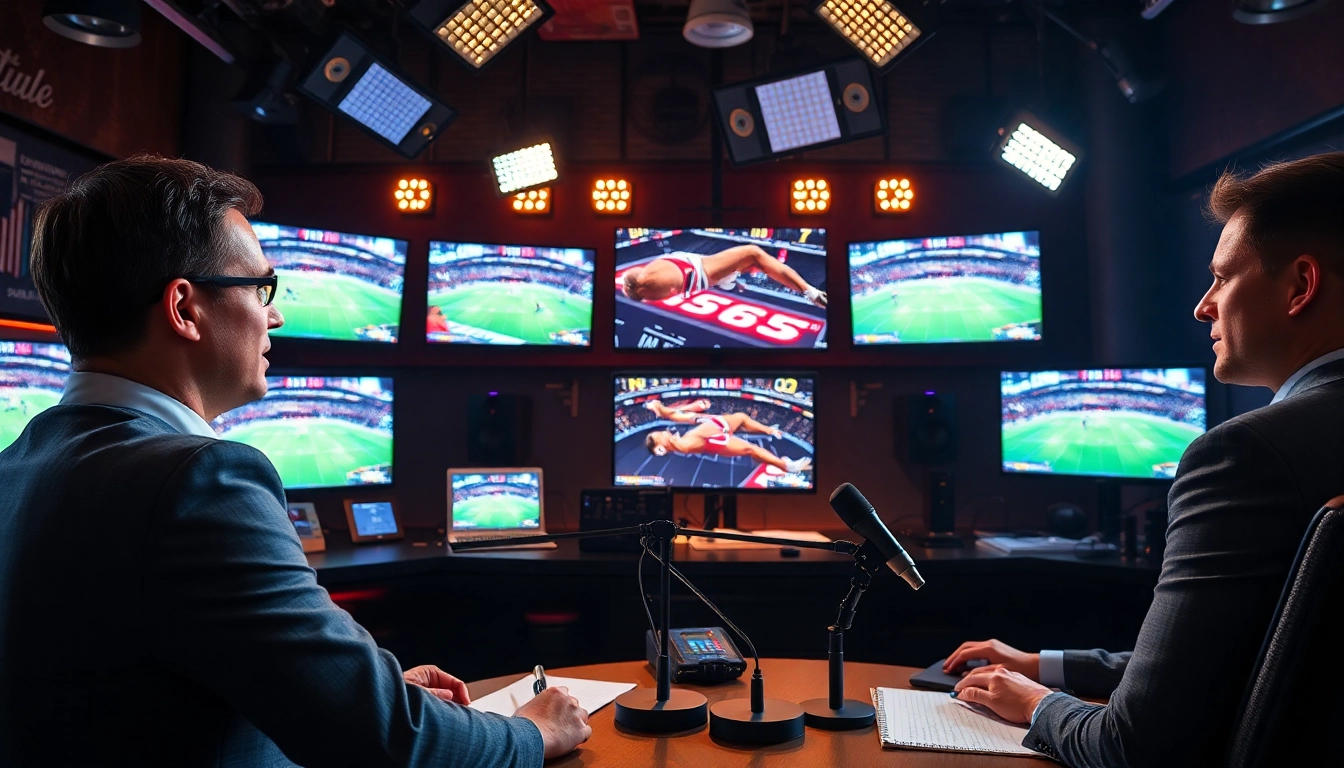
Understanding Sports Broadcasting
Sports broadcasting, the essential avenue for transmitting live events and related content to audiences worldwide, has become a cornerstone of both traditional and digital media. As audiences increasingly seek real-time experiences and connectivity, the evolution of Sports Broadcasting is reflective of broader technological advancements and societal shifts. This comprehensive exploration of sports broadcasting will delve into its evolution, current trends, challenges, best practices, and metrics for success.
The Evolution of Sports Broadcasting
The history of sports broadcasting dates back to the early 20th century when radio emerged as the primary medium for sports updates. The first major broadcasts in the 1920s provided an auditory glimpse into live events, paving the way for television broadcasts in the 1930s. As television technology evolved, viewership flourished, leading to the introduction of color broadcasts in the 1960s.
By the turn of the millennium, the landscape of sports broadcasting began transitioning dramatically with the advent of the internet. Digital platforms provided fans with alternative methods to access content, allowing for on-demand viewing and increased engagement. This shift has been marked by the proliferation of mobile applications, streaming services, and social media channels that have reshaped how fans consume sports.
Key Players in Sports Broadcasting
The sports broadcasting industry comprises various players, including networks, streaming platforms, leagues, and athlete partnerships. Major broadcast networks play a crucial role in garnering viewership through live event coverage, creating packages that blend sports with entertainment. Streaming services have emerged as serious contenders, providing flexible viewing options and catering to younger, tech-savvy audiences.
Furthermore, leagues like the NFL, NBA, and MLB have their broadcasting arms, often negotiating broadcasting rights for lucrative deals. Athlete partnerships and endorsements also contribute to the evolving landscape, resulting in gated content and exclusive insights that further engage fans.
How Technology Influences Sports Broadcasting
Technology serves as a driving force behind sports broadcasting’s innovation, enriching viewer experiences with higher-quality visuals and interactive features. High-definition (HD), 4K, and virtual reality (VR) technologies have enhanced how fans witness live sporting events. Such advancements allow for immersive experiences, whether through enhanced camera angles or virtual commentary.
Moreover, data analytics plays a significant role in shaping content delivery and engagement strategies. Sports broadcasters utilize metrics and viewer behavior data to tailor their offerings, ensuring content resonates with target audiences. With the integration of artificial intelligence, broadcasters can automate certain processes and enhance interactive viewer components, resulting in more personalized experiences.
Current Trends in Sports Broadcasting
Live Streaming and Viewership Growth
The demand for live streaming has grown exponentially, primarily due to the COVID-19 pandemic, which forced many traditional sports broadcasts to shift online. This trend is characterized by platforms like Twitch and YouTube, which allow for simultaneous interactions between fans and broadcasters. With the rise of mobile technology, accessibility is no longer a barrier for audiences wishing to partake in live sports entertainment.
Statistics show that online video streaming generates higher viewer engagement, with younger demographics favoring platforms that blend live sports with social interactions. Brands are capitalizing on this trend by creating integrated campaigns that encourage viewer participation, from polls to live chats, thus nurturing community-building around sports.
Integrating Social Media into Sports Broadcasting
Social media has become an indispensable tool for sports broadcasters, serving as a bridge between content and audiences. Channels such as Twitter, Instagram, and TikTok allow for real-time engagement with fans, sharing highlights, behind-the-scenes content, and insights that enhance the viewing experience. This synergy between broadcasting and social media creates opportunities for the amplification of reach through user-generated content and hashtags.
Broadcasters are adopting strategies that encourage viewers to engage with content on these platforms, sometimes even hosting live reactions or commentary that can create a more dynamic experience. The integration facilitates a two-way dialogue, reinforcing viewer loyalty and generating buzz around events.
The Rise of Esports Broadcasting
Esports broadcasting has rapidly gained traction, evolving from niche markets into mainstream entertainment spheres. Tournaments, leagues, and gaming competitions are now attracting millions of viewers and carving their place alongside traditional sports. Platforms that cater specifically to esports provide unique content, such as interactive streams and commentary tailored to gaming audiences.
The rise of esports has also attracted investment and media attention, with various broadcasting entities looking to capitalize on this burgeoning sector. With tailored content delivery, esports broadcasters are tapping into younger viewers who value interactive, engaging formats that enhance their gaming experience.
Challenges in Sports Broadcasting
Navigating Copyright Issues
Copyright claims are a daunting challenge in sports broadcasting, as popular content is valuable and frequently contested. Securing broadcasting rights involves complex negotiations, often influenced by geographic restrictions and contractual obligations. Copyright infringement can lead to significant legal disputes that harm relationships among stakeholders within the industry.
To mitigate these issues, broadcasters must navigate licensing agreements judiciously, ensuring they have the required permissions to showcase content. Educating teams and athletes about copyright can also promote a culture of awareness, reducing incidental breaches.
Balancing Quality and Accessibility
While the drive for high-quality broadcasts is ever-present, ensuring accessibility for diverse audiences can pose a challenge. High production values may lead to increased costs, impacting the availability of certain content via affordable platforms. Broadcasts must find the sweet spot that maintains quality while remaining accessible to wider audiences to remain competitive.
Innovative financing models, such as tiered subscription services or partnerships, can help bridge the gap between quality and accessibility. Broadcasters should focus on delivering quality content that allows viewers to enjoy live events without financial barriers.
Adapting to Changing Audience Preferences
As audience preferences evolve, sports broadcasters must adapt quickly to stay relevant. From shorter content formats to interactive experiences, the demand for engaging, bite-sized content forces broadcasters to rethink conventional approaches. Viewer data analytics can provide insights into audience habits, allowing broadcasters to tailor content dynamically and meet consumer demands.
Incorporating diverse formats such as highlights, player interviews, and fan interactions helps maintain engagement while positioning broadcasters to anticipate and react to changing viewer habits, ensuring longevity in a competitive industry.
Best Practices for Successful Sports Broadcasting
Enhancing Viewer Engagement
Boosting viewer engagement requires strategic planning to create immersive experiences that resonate with fans. Utilizing multiple camera angles, in-game statistics, and interactive graphics brings events to life. Engaging viewers through gamification—offering rewards for participation in polls, quizzes, or fantasy leagues—fosters a sense of community among fans.
Additionally, providing exclusive content such as athlete interviews or behind-the-scenes access can enhance loyalty, making fans feel involved beyond the pure spectator role. Digital tools can facilitate feedback loops, enabling broadcasters to adapt content quickly based on real-time viewer responses.
Utilizing Data Analytics for Insights
Data analytics is critical for understanding viewer behavior, preferences, and profitability in sports broadcasting. By tracking metrics such as viewership trends, popular content formats, and demographic insights, broadcasters can make informed decisions about promotion strategies and content production.
Employing sophisticated analytics tools enables broadcasters to monitor performance, evaluate audience engagement, and implement targeted marketing strategies more effectively. Implementing A/B testing for promotional content can also highlight the most appealing formats or platforms, optimizing performance and reach.
Building Strong Partnerships and Sponsorships
Successful sports broadcasting often hinges on strong partnerships with sponsors and teams. These collaborations can lead to profitable broadcast deals while expanding reach and enhancing viewer experiences. Establishing transparent relationships ensures mutual benefits and aligns marketing strategies with audience interests.
Crafting unique sponsorship opportunities that enhance viewer interaction or community engagement can also be a win-win situation for broadcasters and sponsors alike, as fans appreciate supporting brands invested in their favorite sports.
Measuring Success in Sports Broadcasting
Key Performance Indicators to Monitor
To measure success effectively, broadcasters should establish clear key performance indicators (KPIs). Metrics may include viewership ratings, audience retention rates, social media engagement, and advertising revenue generated. Each KPI provides valuable insights into content effectiveness and helps inform strategic decisions moving forward.
Regularly analyzing these metrics allows for adaptive strategies, enabling broadcasters to pivot based on viewer preferences and business objectives, thereby maintaining relevancy and competitiveness.
Audience Feedback and Adaptation
Gathering audience feedback is vital for continuous improvement in sports broadcasting. Conducting surveys, leveraging social media interactions, and analyzing comments can provide insight into viewer satisfaction levels. Utilizing this feedback effectively enables broadcasters to change programming, refine content, or enhance viewer experiences.
Encouraging audience participation through Q&A sessions or fan polls can cultivate a participatory culture that allows viewers to feel their voices are heard, further enhancing loyalty.
The Future of Sports Broadcasting Metrics
As technology advances, sports broadcasting metrics will evolve to incorporate new measurements that gauge viewer experiences more holistically. Future metrics may include engagement sentiment analysis, viewer journey mapping, and predictive analytics that gauge potential viewer behavior.
Broadcasters will need to embrace innovative technologies and data insights to stay ahead of the curve. A comprehensive approach to measurement will yield actionable insights that not only enhance viewer engagement but propel the industry towards greater achievements.
Frequently Asked Questions
What is sports broadcasting?
Sports broadcasting refers to the transmission of live sporting events and related content to viewers via various media channels, including television, radio, and digital platforms.
How has technology changed sports broadcasting?
Technology has enhanced sports broadcasting through high-definition visuals, live streaming, data analytics, and interactive engagement tools, improving viewer experiences and accessibility.
What are the challenges faced in sports broadcasting?
Challenges include navigating copyright issues, balancing content quality and accessibility, and adapting to changing audience preferences and technological landscapes.
What best practices should broadcasters adopt?
Best practices include enhancing viewer engagement, utilizing data analytics for insights, and building strong partnerships with sponsors and teams to enhance content delivery.
How can success in sports broadcasting be measured?
Success can be measured through key performance indicators like viewership ratings, audience retention, social media engagement, and advertising revenue generated over specific periods.