
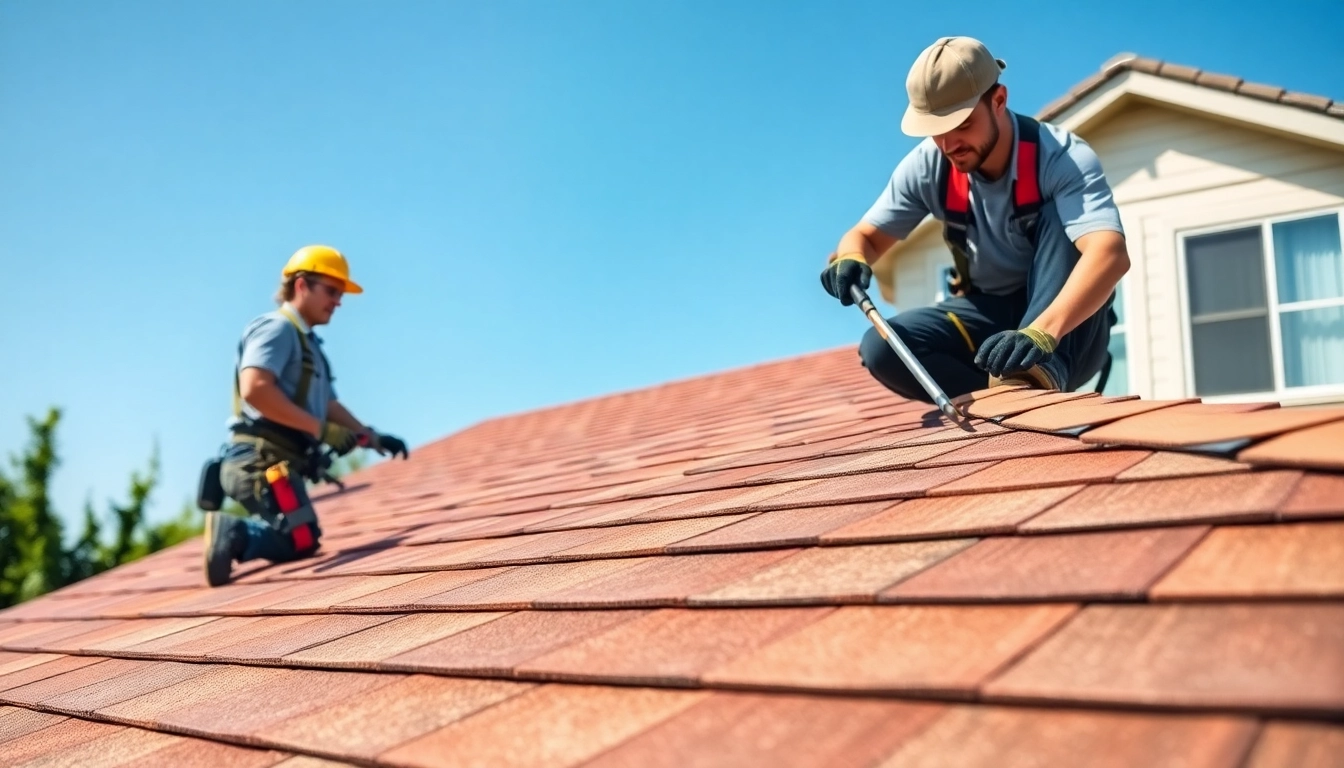
Understanding the Role of a Roofing Contractor
When it comes to ensuring the structural integrity of your home or business, the expertise of a Roofing contractor is essential. These professionals are not only responsible for the installation of roofing systems but also play a pivotal role in maintaining and repairing roofs to ensure that they can withstand the test of time and weather. Understanding their role can help homeowners make informed decisions about their roofing needs.
What Does a Roofing Contractor Do?
A roofing contractor’s responsibilities are multifaceted, comprising various tasks that guarantee both new and existing roofs remain functional and secure. Here are some key duties:
- Inspection: Assessing the condition of a roof to identify leaks, damage, or areas that require maintenance.
- Installation: Installing new roofing materials, ensuring proper alignment, and adhering to local building codes.
- Repair: Fixing any damage that has occurred over time, including replacing shingles or repairing leaks.
- Maintenance: Performing regular maintenance to extend the lifespan of roofs, which may include cleaning gutters and checking for debris.
- Consultation: Advising clients on the best roofing materials and solutions based on their specific needs and budget.
Importance of Hiring Professional Roofing Contractors
Engaging a professional roofing contractor brings numerous benefits that are often overlooked. First, their expertise ensures high-quality workmanship that meets safety standards. They are trained to deal with hazards associated with roofing, including heights and the handling of intense weather conditions. Additionally, hiring a professional can save homeowners time and money in the long run by preventing subpar installations where repairs or replacements may be needed sooner than expected.
Common Misconceptions About Roofing Contractors
Numerous myths surround the roofing industry that can lead to misunderstandings. Here are a few common misconceptions:
- All roofing contractors are the same: Quality and expertise vary; it’s crucial to research potential contractors thoroughly.
- DIY roofing can save money: While it may seem cost-effective, improper installation can lead to more significant expenses later on.
- Seasonal work only: Many contractors work year-round, adapting to different climates and weather conditions.
How to Select the Best Roofing Contractor
Choosing the right roofing contractor is a critical step in ensuring the success of your roofing project. A well-informed selection process can lead to a smoother experience and a lasting roof.
Tips for Researching Roofing Contractors
Effective research is fundamental to finding a reputable contractor. Start by seeking recommendations from friends and family, and check online reviews. Verify their reputation through the Better Business Bureau, and assess their years of experience in the industry. Word of mouth and community involvement can also provide insights into their reliability and professionalism.
Key Questions to Ask Before Hiring
Having a clear dialogue with potential contractors can help you gauge their capabilities and service quality. Here are essential questions to consider:
- What is your warranty policy on both materials and workmanship?
- Do you have the necessary licenses and insurance coverage?
- Can you provide references from previous clients?
- What is your estimated timeline for completing the project?
- How will you handle potential issues during the project?
Understanding Credentials and Licensing
Credentials and proper licensing are critical indicators of a contractor’s qualifications. Each state has different requirements for licensing, and it is advised to check local regulations to verify a contractor’s compliance. Contractors should also carry general liability insurance and workers’ compensation insurance to protect both themselves and their clients in case of accidents or damages during the roofing project.
Evaluating Roofing Options with Your Contractor
Once you’ve selected a roofing contractor, the next crucial step is evaluating roofing options to determine the best solution for your project. This involves discussing materials, budgets, and long-term plans for your property.
Types of Roofing Materials Explained
Many roofing materials are available, each with specific advantages and drawbacks. Here are several common options:
- Asphalt Shingles: Popular for their affordability and ease of installation, asphalt shingles are suitable for various home styles.
- Metal Roofing: Known for durability and energy efficiency, metal roofs can last over 50 years but may come at a higher initial cost.
- Tile Roofing: Clay and concrete tiles offer high durability and aesthetic appeal but require a strong structure to support their weight.
- Slate Roofing: One of the longest-lasting roofing materials, slate is beautiful and durable but is typically more expensive.
Evaluating Durability vs. Cost
When selecting roofing materials, it’s essential to evaluate the balance between initial cost and durability. While lower-priced options may fit tighter budgets, investing in higher-quality materials can yield long-term savings through reduced maintenance and replacement needs. Discussing your specific situation with your contractor can yield invaluable advice tailored to your requirements and location.
Understanding Warranties and Guarantees
Every roofing project comes with associated warranties. Ensure you understand the differences between manufacturer warranties on materials and workmanship warranties provided by your contractor. A good warranty can protect against premature failure and may cover repairs or replacements necessary due to product defects. Always read the warranty terms thoroughly and clarify any doubts with your contractor before committing.
Common Challenges When Working with a Roofing Contractor
While the roofing process often runs smoothly, challenges can arise. Being aware of these potential hurdles can help you navigate them effectively for a satisfactory outcome.
Dealing with Weather-Related Delays
Weather can significantly impact roofing projects. Rain, snow, and extreme temperatures can delay work and even affect material performance. It’s essential to have a flexible timeline and maintain open communication with your contractor regarding weather-related adjustments.
Understanding Project Timelines
Project timelines can vary based on several factors, including roofing type, size, and prevailing weather conditions. Regularly check in with your contractor for updates, and don’t hesitate to ask for clarity on specific milestones or any delays to ensure transparency throughout the process.
How to Communicate Effectively with Your Contractor
Effective communication is vital in ensuring a successful roofing project. Establish clear lines of communication from the outset and meet regularly to discuss progress and address any concerns. Be open, ask questions, and ensure that expectations regarding timelines, costs, and scope are consistently aligned.
FAQs About Hiring a Roofing Contractor
How Can I Ensure My Contractor is Qualified?
Verify your contractor’s licenses and insurance, check for professional affiliations, and read customer reviews to gauge their qualifications and reliability.
What Are the Signs of a Bad Roofing Job?
Signs include noticeable leaks, improper shingle alignment, and inadequate ventilation, all of which can indicate substandard workmanship.
How Long Will My Roofing Project Take?
Project duration depends on size and complexity but typically ranges from a few days to a couple of weeks; your contractor should provide a timeline.
What Should I Expect During the Roofing Process?
Expect a pre-project inspection, materials preparation, installation, and a final review. Regular communication with your contractor is essential throughout.
Are There Any Hidden Costs in Roofing Projects?
Hidden costs can sometimes arise from unexpected repairs or inadequate initial assessments. Always discuss potential contingencies with your contractor beforehand.