Understanding Colonial Home Construction
Colonial home construction is a timeless architectural style that draws inspiration from the early American colonies, offering a blend of heritage, functionality, and distinct design elements. Many homeowners and builders are captivated by the charm and history encapsulated in these homes. This article provides a comprehensive guide to colonial home construction, exploring its historical significance, features, materials, and planning considerations. You can learn more about colonial home construction by visiting colonial home construction.
Historical Significance of Colonial Styles
The roots of colonial architecture trace back to the early 1600s when European settlers in North America introduced styles inspired by their homeland. Colonial homes reflect the socio-political circumstances of the time, incorporating influences from various cultures, including English, Spanish, Dutch, and French. Each colony adapted its architectural features to accommodate local climates and available materials. With the passage of time, these homes became landmarks symbolizing America's birth and the evolution of its architectural identity.
Main Features of Colonial Homes
Colonial architecture is characterized by specific features that distinguish it from other styles. These features include:
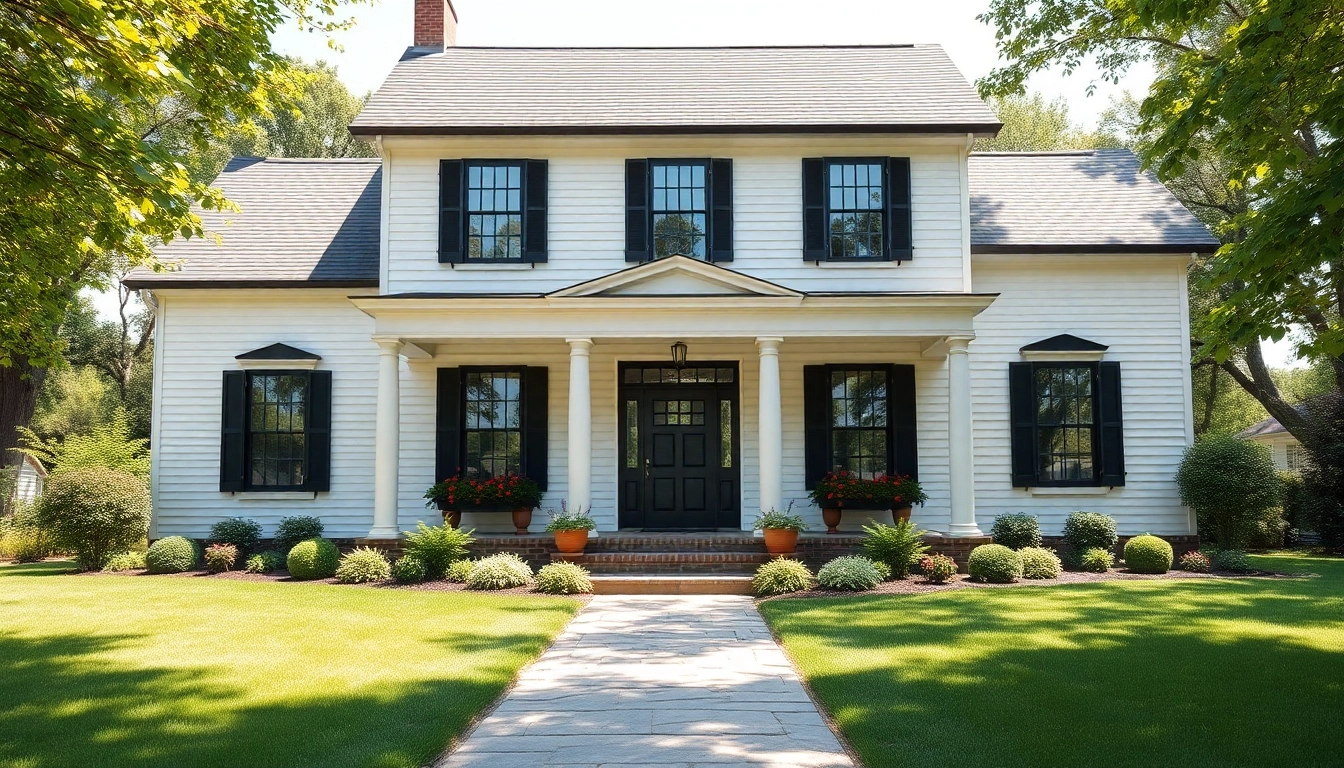
- Symmetry: Colonial homes are often symmetrical in design, with evenly spaced windows and a centered front door.
- Multi-story Layout: Most colonial houses feature two or more stories, creating a sense of height and grandeur.
- Gabled Roofs: The roofs are generally steeply pitched, with gables at either end to facilitate water runoff and add visual interest.
- Formal Entrances: Colonial homes often showcase ornate doorways framed by pilasters or sidelights.
- Wooden Siding: Traditionally, these homes were built using wooden clapboard siding, giving them a cozy, rustic appearance.
Common Materials Used in Colonial Construction
The materials selected for colonial home construction significantly impact their durability, aesthetic appeal, and historical accuracy. Commonly used materials include:
- Wood: Featured prominently in colonial homes, wood is used for framing, siding, and decorative features.
- Brick: Many colonial homes integrate brick for the foundation or exterior, providing longevity and thermal mass.
- Stone: Particularly in the Northeastern U.S., stone was often used, giving these homes a sturdy and timeless quality.
- Metal: Roofs and gutters made of metal, such as copper or tin, were popular for their durability and weather resistance.
Planning Your Colonial Home
Successful colonial home construction involves careful planning and consideration of various factors that influence the overall design and functionality of the home. This section outlines key elements to consider during the planning phase.
Choosing the Right Location
Identifying the perfect location is crucial for a colonial home. Factors such as climate, proximity to amenities, and neighborhood character should guide your decision. Look for areas with a rich historical background to enhance the authenticity of your colonial home, as well as access to resources that provide quality local materials.
Design Considerations for Functionality
While colonial homes are renowned for their classic design, functionality is equally important. Consider the following aspects:
- Flow of Space: Ensure the layout promotes easy movement between rooms while maintaining an intimate ambiance.
- Room Size: Traditional colonial homes often feature distinct, separate rooms. Make sure they are proportionate to modern living standards.
- Natural Light: Maximize natural light by including windows that align with the traditional aesthetic but also provide sufficient illumination.
Budgeting for Colonial Home Construction
Creating a realistic budget is one of the most critical steps in home construction. Outline costs for land acquisition, materials, labor, and permits. Given the potential for higher expenses, especially when sourcing authentic materials, allocate a contingency fund for unexpected costs. Engaging a financial advisor familiar with real estate can provide insights into budgeting effectively.
Construction Techniques and Best Practices
Utilizing the right construction techniques can make a significant difference in the performance and authenticity of your colonial home. This section discusses essential methods and best practices.
Foundation and Framing Methods
Colonial homes typically have a solid foundation to ensure stability and longevity. Common methods include:
- Full Basement Foundations: Popular in colder climates, these foundations add usable space and keep homes warmer in winter.
- Slab Foundations: Less common in colonial homes, they provide a simplified building process.
- Timber Framing: Traditional timber framing preserves the authenticity of colonial architecture while offering structural integrity.
Incorporating Modern Amenities
Modern homeowners often seek modern conveniences while maintaining vintage charm. Integrate energy-efficient appliances, smart home technologies, and modern HVAC systems without compromising the home's historical features. Conceal wiring and mechanical systems to preserve the exterior and enhance functionality.
Preserving Historical Integrity
Maintaining historical accuracy is vital in colonial home construction. This can be achieved through:
- Authentic Materials: Use period-appropriate materials sourced from reputable suppliers to ensure historical fidelity.
- Architectural Details: Maintain architectural details such as moldings, staircases, and door styles that reflect the era.
- Exterior Finishes: Preserving the traditional exterior finish will further enhance the historical integrity.
Landscaping Around Colonial Homes
Landscaping plays a crucial role in complementing the aesthetic appeal of colonial homes. Thoughtful landscaping can enhance both the beauty and functionality of your property.
Traditional Garden Styles
Colonial gardens often feature formal designs, including symmetry, clipped hedges, and structured flower beds. Incorporate native plants such as lilacs, daisies, and sunflowers, which resonate well with the colonial theme while fostering ecological balance.
Outdoor Décor that Complements Colonial Architecture
Outdoor design elements can significantly enhance the appeal of colonial homes. Consider adding:
- Wrought Iron Fencing: This classic material serves both functional and decorative purposes.
- Stone Pathways: Well-placed flagstone paths lead to the entrance and garden areas, enhancing accessibility and visual flow.
- Outdoor Furniture: Select traditional-style outdoor furniture to maintain aesthetic consistency.
Balancing Nature and Structure
Striking a harmonious balance between the natural landscape and the architectural structure is essential. Focus on creating transitions between home and nature through the use of natural stone, native plants, and outdoor seating areas that invite interaction and relaxation.
Frequently Asked Questions about Colonial Home Construction
What are the common characteristics of colonial home construction?
Colonial homes typically feature symmetrical designs, gabled roofs, multi-story layouts, and wooden siding, reflecting historical influences and architectural traditions.
How can I ensure my colonial home maintains historical accuracy?
To maintain historical accuracy, use period-appropriate materials, retain original architectural details, and follow traditional methods in design and construction.
What are recommended materials for colonial homes?
Common materials include wood for framing and siding, brick for foundations, stone for structural elements, and metal for roofing, ensuring durability and aesthetic appeal.
How do I integrate modern features into colonial design?
Incorporate modern amenities discreetly, using energy-efficient appliances and smart home technologies while hiding wiring and systems to preserve the home's historic character.
What landscaping tips should I consider for a colonial home?
Focus on traditional garden styles, use native plants, incorporate outdoor décor that complements the architecture, and create a seamless balance between the home and the landscape.