
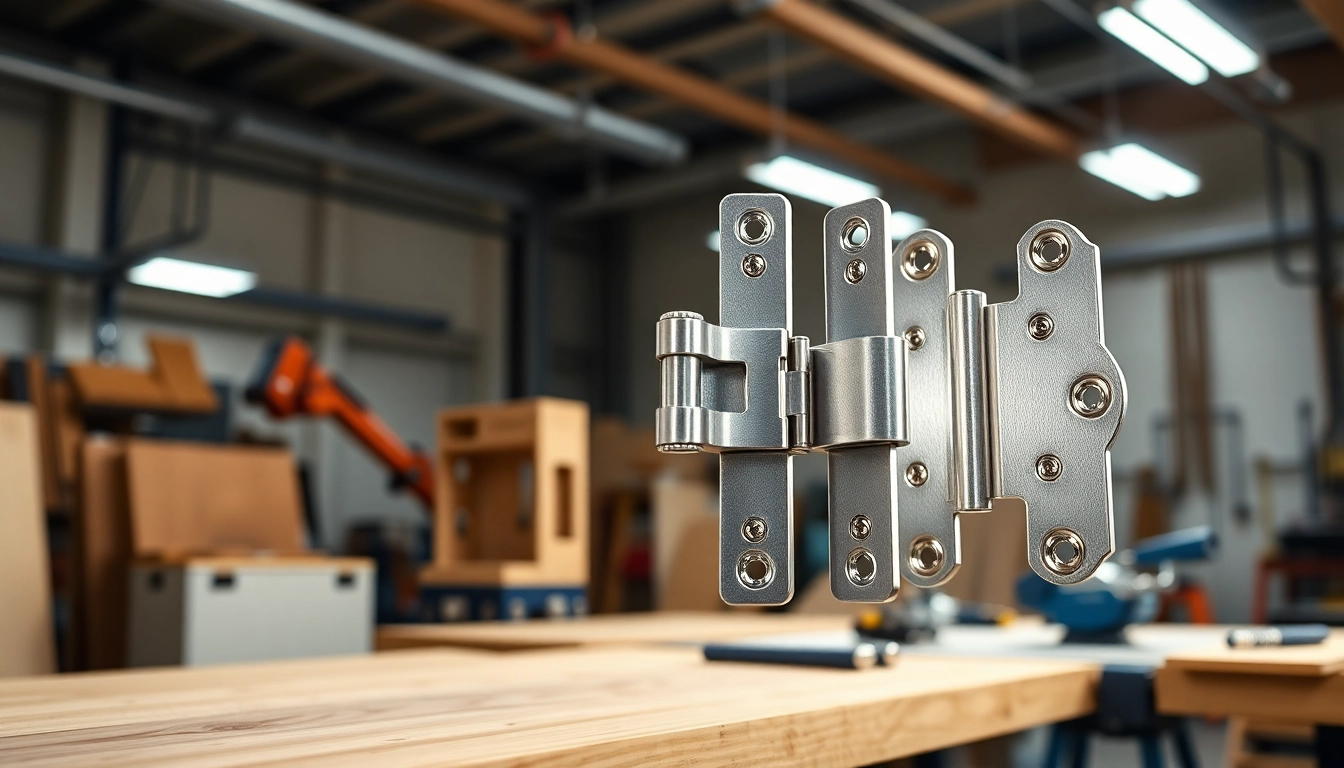
Understanding Cabinet Hinge Types
The world of cabinet hinges is diverse, catering to various needs in furniture and woodworking. With a plethora of options available, understanding the different types of hinges can dramatically enhance a project’s quality and functionality. It’s essential to rely on Cabinet Hinge Manufacturers who provide the right hinge types tailored to specific needs.
Common Types of Cabinet Hinges
Cabinet hinges come in several standard types, each serving unique functionalities. The most common types include:
- Overlay Hinges: These hinges are installed on the cabinet doors that cover the cabinet frame, ideal for creating a seamless look.
- Inset Hinges: Inset hinges are designed for doors that fit inside the cabinet frame. They require precise installation and are popular in traditional cabinetry.
- European Hinges: Also known as concealed hinges, they allow for a full range of motion and are often used in modern cabinet designs.
- Piano Hinges: A continuous hinge type often used for larger doors or lids, allowing for support along the entire cabinet edge.
- Pivot Hinges: Pivot hinges can swivel to allow cabinet doors to open at different angles and are typically installed at the top and bottom of the door.
Specialized Hinges for Specific Needs
For specialized applications and needs, manufacturers provide tailor-made hinge solutions:
- Soft-Close Hinges: Designed to prevent slamming, these hinges include mechanisms that slow the door’s closure.
- Spring-Loaded Hinges: Ideal for cabinets that require self-closing functions, often used in commercial settings.
- Weatherproof Hinges: Made from corrosion-resistant materials, these are perfect for outdoor or marine environments.
- Decorative Hinges: Offering aesthetic appeal, these hinges frequently feature elaborate designs and finishes.
Factors Influencing Hinge Selection
Several key factors should influence the choice of cabinet hinges:
- Weight Capacity: Select hinges that can support the weight of the cabinet doors without sagging.
- Material Compatibility: Ensure the hinge material matches or complements the cabinet materials.
- Design Style: Choose hinges that align with the overall design aesthetics of the cabinetry.
- Range of Motion: Consider how far the cabinet doors need to open and select hinges that accommodate this motion.
Evaluating Cabinet Hinge Manufacturers
Choosing the right cabinet hinge manufacturer is critical for ensuring quality, durability, and design efficiency. The pool of manufacturers is broad, and narrowing it down requires some research.
Key Criteria for Selecting Manufacturers
To identify a reputable cabinet hinge manufacturer, consider the following criteria:
- Experience and Expertise: Opt for manufacturers with a proven track record in the hinge industry.
- Product Range: A diverse range of products indicates capability and innovation.
- Customization Options: Look for manufacturers open to custom solutions aligning with specific requirements.
- Customer Service: Manufacturers should provide excellent support before, during, and after purchase.
Assessing Quality and Durability
Quality and durability should be at the forefront of any decision-making process. Consider the following methods to assess this:
- Material Analysis: Review the materials used in hinge construction. Metal and high-grade composites typically offer the best durability.
- Performance Testing: Manufacturers should provide data on their product performance under stress.
- Customer Feedback: Checking reviews can provide insight into long-term performance from real users.
Understanding Manufacturer Certifications
Certifications can be excellent indicators of a manufacturer’s commitment to quality and safety:
- ISO Certification: Manufacturers with ISO certifications demonstrate adherence to quality management standards.
- CE Marking: This indicates compliance with European safety standards, particularly for imported goods.
- Green Certifications: Environmental certifications indicate sustainable practices, valuable for eco-conscious consumers.
The Manufacturing Process of Cabinet Hinges
Understanding the manufacturing process of cabinet hinges can help reinforce choices based on quality, cost, and innovation.
Material Selection in Cabinet Hinge Production
Material choice is fundamental in hinge manufacturing, affecting durability, aesthetics, and functionality. Common materials include:
- Stainless Steel: Known for its corrosion resistance, it’s ideal for long-lasting outdoor hinges.
- Brass: Offers a touch of elegance and is commonly used in decorative hinges.
- Plastic Composites: Often used in cost-effective applications, they offer versatility but may lack durability compared to metals.
Innovative Techniques in Manufacturing
Manufacturers continue to adopt innovative techniques, enhancing hinge design and functionality:
- Automation: Incorporating robotics ensures precision and efficiency in the production process.
- 3D Printing: Allows for rapid prototyping and customization of hinge designs for specific applications.
- Advanced Coating Technologies: Enhance the surface finish for increased durability and aesthetic appeal.
Sustainability Practices among Cabinet Hinge Manufacturers
Sustainability is increasingly becoming a focal point for modern manufacturers. Practices include:
- Recyclable Materials: Using materials that can be recycled and reduce environmental impact.
- Energy Efficiency: Implementing energy-efficient production processes to lower carbon footprints.
- Responsible Sourcing: Sourcing materials from sustainable suppliers aligns with eco-friendly practices.
Cost Considerations When Working with Cabinet Hinge Manufacturers
The cost is always an important factor when choosing cabinet hinges. Here’s how to approach budgeting and negotiation.
Budgeting for Different Types of Hinges
Understanding the pricing structure for different types of hinges can help in budgeting appropriately:
- Standard Hinges: Typically, these are the most economical and suitable for general applications.
- Specialized Hinges: Costs vary based on materials and functionalities, such as soft-close mechanisms.
- Custom Designs: Expect higher prices due to unique specifications and manufacturing adjustments needed.
Value vs. Cost Analysis
When evaluating options, it’s essential to assess value rather than simply focusing on upfront costs:
- Long-Term Durability: Invest in high-quality hinges that may cost more initially but save money on replacements.
- Performance Benefits: Features like soft-close mechanisms enhance user experience, offering better value over time.
- Maintenance Considerations: Lower maintenance costs can justify higher initial investments.
Negotiating Prices with Manufacturers
When working with manufacturers, negotiation can help secure the best deal:
- Volume Discounts: Purchasing hinges in bulk can provide significant savings.
- Comparison Shopping: Gather quotes from multiple manufacturers to leverage price points against each other.
- Long-Term Partnerships: Establishing relationships can lead to renegotiation of terms for better pricing.
Future Trends in Cabinet Hinge Manufacturing
The hinge manufacturing industry is constantly evolving. Staying updated on future trends can offer a competitive edge.
Technological Advancements Shaping the Industry
Technological innovations influence the way cabinet hinges are designed and manufactured:
- Smart Hinges: Integrating sensors for automated opening and closing mechanisms.
- Augmented Reality: Using AR for visualization during hinge design purposes enhances customization capabilities.
- IoT Capabilities: Development of connected cabinet systems enhances functionality in smart homes.
Market Trends Impacting Demand
Several market trends significantly impact consumer demands for cabinet hinges:
- Sustainability Focus: Increased consumer awareness of environmental issues promotes the demand for eco-friendly hinges.
- Customization Requests: Rising demand for bespoke furniture solutions encourages manufacturers to adapt.
- Consumer Preferences: Shifting towards modern designs that incorporate innovative hinge functionalities.
Innovating for Sustainability
As the industry moves toward sustainability, manufacturers are innovating to meet green standards:
- Using Recyclable Materials: Emphasizing the importance of longevity and recyclability in components.
- Green Manufacturing Processes: Reducing waste and energy consumption throughout production cycles.
- Product Lifecycle Management: Educating consumers on proper hinge maintenance extends product life and reduces turnover.
Frequently Asked Questions
What are the main types of cabinet hinges?
The main types include overlay hinges, inset hinges, European hinges, piano hinges, and pivot hinges. Each serves different operational needs.
How do I choose the best cabinet hinge?
Consider factors like weight capacity, material compatibility, and design style to choose a hinge that fits your cabinetry requirements.
Are soft-close hinges worth the investment?
Yes, soft-close hinges enhance user experience by preventing slamming and add a touch of luxury to cabinetry, making them a wise investment.
What certifications should cabinet hinge manufacturers have?
Look for manufacturers with ISO certification, CE marking, or green certifications, indicating adherence to quality and environmental standards.
How can I negotiate prices with hinge manufacturers?
Consider factors like bulk purchasing and use competitive quotes to negotiate terms. Building long-term relationships can also yield better pricing.