
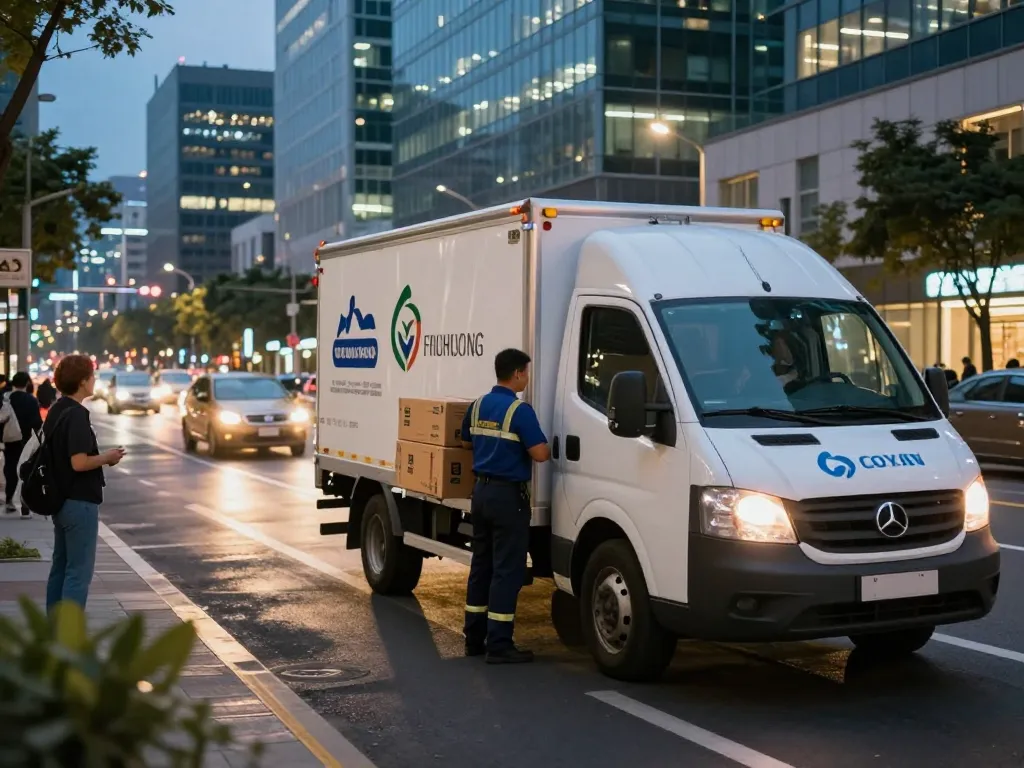
Understanding the Logistics Landscape in 2026
The logistics industry is undergoing rapid transformation, driven by technology advancements, evolving consumer expectations, and global challenges. As we approach 2026, businesses must reevaluate their logistics strategies to remain competitive. In this dynamic environment, Bennison Transport stands out as a key player, providing time-critical transport solutions throughout the UK and Europe. Our commitment to efficient logistics and customer service allows us to collect loads within an hour, ensuring that your operations keep running smoothly. For comprehensive insights into the realm of Logistics, it is crucial to understand the foundational elements that shape the future of this industry.
What is Logistics and Its Importance?
Logistics encompasses the planning, execution, and management of the flow of goods, services, and information across a supply chain. It is a critical component of any business, affecting operational efficiency, customer satisfaction, and ultimately, the bottom line. Effective logistics management ensures that products are delivered at the right time, to the right place, and in the right condition. As such, it directly influences a company’s ability to meet market demands, adapt to changes, and scale operations.
Trends Shaping the Future of Logistics
Several trends are poised to reshape the logistics landscape in 2026:
- Increased Automation: Automated warehouses and delivery systems are becoming standard as companies seek to enhance efficiency and reduce labor costs.
- Data-Driven Decision Making: The use of big data analytics allows logistics providers to optimize routes, manage inventory better, and predict demand accurately.
- Sustainability Initiatives: There is a growing emphasis on green practices within logistics, including minimizing carbon footprints and utilizing eco-friendly packaging.
Key Logistics Challenges and Solutions
While the logistics industry is evolving, it also faces several challenges:
- Supply Chain Disruptions: Natural disasters, political instability, and other unexpected events can impact the supply chain. Building resilient supply chains with alternative suppliers can mitigate these issues.
- Rising Transportation Costs: Fuel prices and labor shortages can drive up costs. Utilizing technology for route optimization can help reduce transportation expenses.
- Compliance and Regulation: Keeping up with changing regulations is essential for smooth operations. Staying informed and adopting flexible strategies can help companies remain compliant.
Types of Logistics Services
Express Logistics: Meeting Time-Critical Demands
Express logistics is vital for businesses that require urgent deliveries or have time-sensitive operations. Providers like Bennison Transport offer specialized services that guarantee collections within an hour and transport to destinations across the UK and Europe. The emphasis on speed does not compromise safety; our clean and tracked vehicles ensure that your goods are handled with the utmost care.
Warehousing and Storage Solutions
Effective logistics often involves robust warehousing and storage capabilities. Businesses require flexible storage solutions that can scale with demand fluctuations. Modern warehouses are equipped with advanced inventory management systems that facilitate easy tracking and quick retrieval of goods, thus enhancing operational efficiency.
Last Mile Logistics Explained
The final leg of the supply chain, known as last mile logistics, significantly impacts customer satisfaction. Efficient last mile delivery solutions are essential for meeting consumer expectations for quick and reliable service. Companies are investing in technology to streamline these operations, utilizing GPS tracking and mobile apps to keep customers informed of their deliveries in real-time.
Best Practices for Efficient Logistics Management
Utilizing Technology to Enhance Logistics
Integrating the latest technologies into logistics operations is crucial for enhancing efficiency. This includes adopting software for inventory management, using AI for demand forecasting, and leveraging IoT devices for real-time tracking. By utilizing these technologies, logistics providers can optimize routes, reduce delays, and improve overall service levels.
Steps to Implement Sustainable Logistics Strategies
As sustainability becomes increasingly important, logistics companies are exploring eco-friendly practices. Initiatives such as minimizing packaging waste, utilizing electric vehicles, and optimizing shipping routes can significantly reduce environmental impact while also appealing to eco-conscious consumers.
Measuring Logistics Performance Metrics
To ensure ongoing success, logistics operations must be continuously monitored. Key performance indicators (KPIs) such as delivery times, order accuracy, and customer satisfaction rates should be regularly evaluated. By analyzing these metrics, companies can identify areas for improvement and implement necessary changes to enhance operations.
Case Studies: Successful Logistics Implementations
How Bennison Transport Redefined Express Logistics
Bennison Transport has set the standard in express logistics by prioritizing time-sensitive deliveries. One case involved the urgent transportation of machinery from Newcastle to Stockport, where our team successfully collected and delivered the goods without any issues. This commitment to excellence is evident in our customer testimonials, showcasing our ability to adapt and excel in demanding situations.
Industry Leaders and Their Logistics Strategies
Leading companies across various sectors have adopted innovative logistics strategies. For instance, Amazon’s investment in drone technology for deliveries reflects a forward-thinking approach aimed at enhancing efficiency and customer experience. By studying these successful implementations, other businesses can glean valuable insights for refining their logistics processes.
Lessons Learned from Logistics Failures
Not all logistics strategies succeed, and several high-profile failures highlight the importance of adaptability. Companies that fail to anticipate disruptions or maintain flexibility in their logistics operations often find themselves at a disadvantage. Learning from past mistakes is crucial for developing resilience in logistics planning.
Future Projections for the Logistics Industry
Emerging Technologies in Logistics by 2026
As we look towards 2026, several emerging technologies are set to revolutionize the logistics industry. Autonomous vehicles for freight transport, blockchain for secure tracking, and AI for predictive analytics are just a few examples of innovations that will likely reshape logistics operations.
Predictions for Global Logistics Trends
Global logistics trends indicate a shift towards more agile supply chains, enhanced by technology. The growing importance of customer experience will drive logistics companies to adopt more transparent and responsive delivery methods, catering to increasing consumer expectations.
Preparing Your Business for Upcoming Changes
To thrive in the evolving logistics landscape, businesses must proactively prepare for upcoming changes. This includes investing in technology, training staff, and cultivating partnerships with reliable logistics providers. Being adaptable and forward-thinking is key to maintaining a competitive edge.
What Are the Most Common Transportation Logistics Issues?
Transportation logistics issues frequently arise due to factors like traffic congestion, regulatory compliance, and varying customer demands. Addressing these challenges proactively through advanced planning and technology adoption can mitigate risks and enhance operational efficiency.
How Can Technology Improve Logistics Efficiency?
Technology plays a pivotal role in improving logistics efficiency by automating processes, enabling real-time tracking, and enhancing communication between stakeholders. Leveraging these tools allows logistics providers to streamline operations, reduce errors, and provide superior service.
What Factors Should Be Considered When Choosing a Logistics Partner?
Selecting the right logistics partner is essential for ensuring smooth operations. Factors such as reliability, technology capabilities, customer service, and industry experience should all be weighed carefully. A strong logistics partner can make all the difference in navigating the complexities of supply chain management.
Why Is Sustainable Logistics Important?
Sustainable logistics not only benefits the environment but also enhances brand reputation and customer loyalty. As consumers increasingly prioritize sustainability, companies that adopt environmentally friendly practices can differentiate themselves in a crowded market.
How to Measure the Success of Logistics Operations?
Measuring the success of logistics operations requires a thorough analysis of relevant metrics. Key indicators such as cost efficiency, delivery speed, and customer feedback are instrumental in assessing performance and guiding future improvements.