
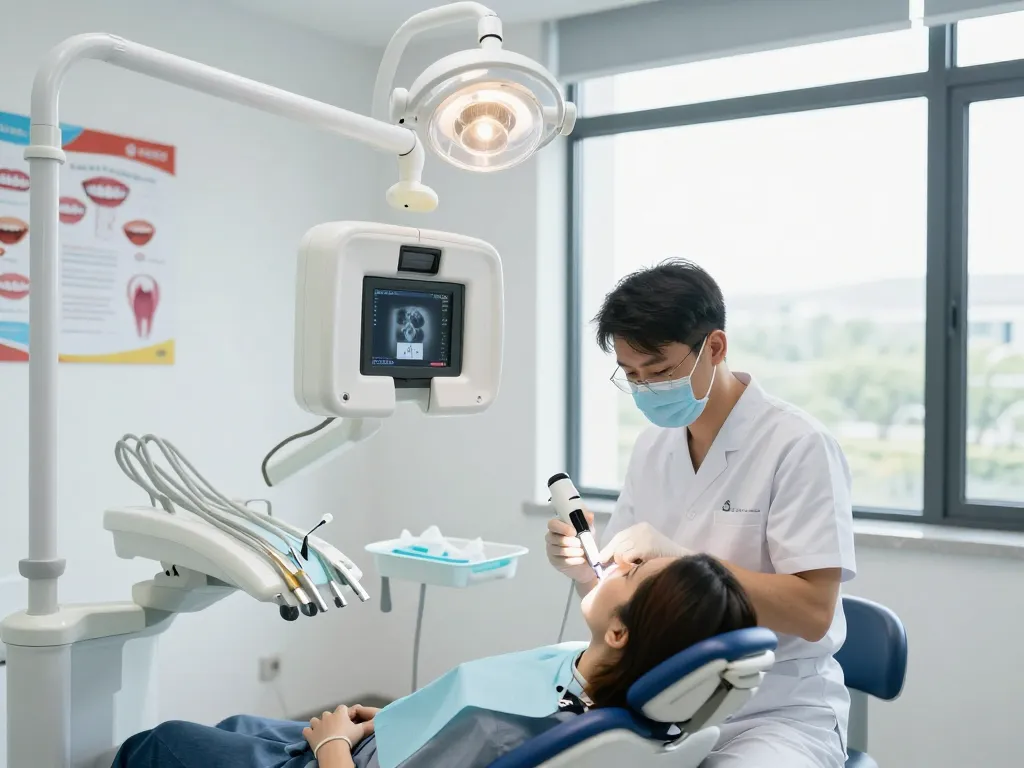
Understanding the Role of the Dentist in Modern Healthcare
The role of a Dentist extends far beyond just cleaning teeth; it is a multifaceted profession that integrates healthcare, technology, and patient management. In an era where oral health is increasingly recognized as integral to overall health, dentists are becoming more critical than ever. This article aims to explore the various dimensions of dentistry, the tools employed in practice, and how to choose the right dental professional for your needs, especially as we head toward 2026.
What Does a Dentist Do?
Dentists are healthcare professionals who specialize in diagnosing and treating dental and oral conditions. Their responsibilities include:
- Conducting oral examinations to assess the health of teeth and gums.
- Performing dental procedures such as fillings, extractions, and root canals.
- Providing preventive care, including cleanings and fluoride treatments.
- Educating patients on oral hygiene and lifestyle choices that affect dental health.
- Collaborating with specialists for complex treatments.
Importance of Regular Dental Check-ups
Regular dental check-ups are crucial for maintaining oral health. Dentists can identify problems early, which can save patients from severe pain and costly treatments later on. The recommended frequency for check-ups is at least twice a year, but this can vary based on individual health needs.
How Dentists Contribute to Overall Health
Oral health has a profound impact on general health. Conditions such as gum disease have been linked to heart disease, diabetes, and respiratory problems. By maintaining good oral health, dentists not only contribute to a patient’s smile but also to their overall well-being.
Modern Dental Technology: Tools and Equipment
The evolution of dental technology has dramatically transformed how dentists perform their duties. From diagnostic tools to treatment methods, advancements are making dental care more efficient and effective.
Advanced Diagnostic Tools Every Dentist Uses
Modern dentists utilize various diagnostic tools to accurately assess oral health. These include:
- X-ray imaging: Vital for identifying problems beneath the surface.
- Digital impressions: Create precise models of teeth using advanced scanning technology.
- Intraoral cameras: Allow dentists to show patients real-time images of their dental health.
Innovations in Dental Treatments and Procedures
Innovations such as laser dentistry, minimally invasive techniques, and cosmetic enhancements are reshaping how dental procedures are performed. For instance, lasers can be used for gum reshaping, and advancements in materials allow for more natural-looking fillings and crowns.
The Future of Dental Equipment in 2026
As we look toward 2026, the future of dental equipment promises even greater integration of technology. Expect to see more AI-driven diagnostic tools, improved tele-dentistry options, and materials that mimic natural tooth enamel.
Choosing the Right Dentist for Your Needs
Selecting a dentist is a critical decision that can affect your long-term oral health. Understanding the factors that matter most can help you make an informed choice.
Key Factors to Consider When Selecting a Dentist
When choosing a dentist, consider the following:
- Qualifications: Check their education, training, and any specialties.
- Reviews and testimonials: Personal recommendations and online reviews can provide insight into a dentist’s service quality.
- Office environment: A welcoming and modern office can enhance your experience.
- Technological capabilities: Ensure they use current technology for diagnostics and treatments.
Comparing Practices: What to Look For
Make a list of local dental practices and compare them based on services offered, fees, and the availability of emergency care. Additionally, consider how the practice approaches patient education and comfort during visits.
Understanding Dental Specializations
Not all dentists offer the same services. Understanding the different specializations can guide your choice:
- General Dentistry: Focuses on overall oral health.
- Pediatric Dentistry: Specializes in treating children.
- Orthodontics: Deals with teeth alignment and braces.
- Cosmetic Dentistry: Focuses on improving the appearance of teeth.
The Patient Experience in Contemporary Dentistry
Today’s dental practices place a strong emphasis on patient experience, striving to make visits as comfortable and efficient as possible.
What to Expect During Your Visit
During your first appointment, the dentist will conduct a comprehensive examination. This often includes X-rays, a review of your medical history, and a discussion about your oral health goals. Expect to be informed and involved in your treatment plan.
Importance of Patient Comfort and Satisfaction
Modern dental offices are designed with patient comfort in mind. From ergonomic chairs to soothing environments, efforts are made to reduce anxiety and enhance the overall experience.
How Technological Advancements Enhance the Patient Experience
Technologies such as virtual reality for anxiety management, online appointment scheduling, and automated reminders have made dental visits more accessible and less stressful. These innovations are set to revolutionize how patients interact with dental care providers.
Future Trends in Dentistry: What Lies Ahead?
The dental industry is continuously evolving. Staying ahead of these trends can provide insights into how dental care will transform in the coming years.
Emerging Technologies in Dental Care
We are likely to see a rise in the use of AI for diagnostics and treatment planning, 3D printing for quick dental solutions, and telehealth options allowing for remote consultations.
Predictions for Dental Practices in 2026 and Beyond
By 2026, practices will likely become even more patient-centric, with an emphasis on preventative care, personalized treatment plans, and enhanced patient education using digital platforms.
The Role of AI and Digitalization in Dentistry
Artificial Intelligence will play a pivotal role in analyzing patient data, predicting dental issues, and suggesting personalized treatment options. Digitalization will also streamline operations, making dental care more efficient and accessible.
What services does a dentist typically offer?
Dentists usually offer a range of services including routine check-ups, fillings, crowns, bridges, and cosmetic treatments. Some also provide specialized services such as orthodontics or oral surgery.
How can I prepare for my first dental appointment?
To prepare for your first visit, gather your medical history, list any medications you are taking, and note any questions you want to ask. Arriving early can also help reduce any anxiety you may have.
What should I do if I have a dental emergency?
In case of a dental emergency, contact your dentist immediately. If they are unavailable, seek care from an emergency dental service. Common emergencies include severe pain, broken teeth, and injuries to the jaw.
How often should I schedule dental check-ups?
The American Dental Association recommends visiting your dentist at least twice a year. However, those with specific dental issues may need more frequent visits.
What are the latest technologies in dental care?
Latest technologies include high-resolution 3D imaging, digital X-rays, laser dentistry, and teledentistry. These advancements enhance diagnosis and treatment options while improving patient comfort.