
The Importance of Quality in Residential Carpet Installation
Residential carpet installation is more than just a home improvement project; it’s a significant investment that can enhance the comfort, aesthetics, and functionality of your living spaces. Choosing the right carpet and professional installation can lead to a transformed environment that meets your specific needs and lifestyle. When exploring options, Residential carpet installation offers comprehensive insights into choices that best fit your home.
Understanding Carpet Types and Their Features
Before diving into the installation process, it’s crucial to understand the various types of carpets available. Each type has distinct features that cater to different preferences and requirements:
- Berber Carpet: Known for its durability and resistance to stains, Berber carpets are ideal for high-traffic areas.
- Frieze Carpet: With its twisted fibers, frieze carpets offer a casual look and excellent durability.
- Plush Carpet: This type provides a soft and luxurious feel, making it perfect for bedrooms and living spaces.
- Cut and Loop Carpet: Combining cut and looped fibers, this style creates a unique texture and pattern, contributing to visual interest.
Understanding these options not only aids in selecting the right carpet but also enhances your overall satisfaction with the installation process.
Benefits of Professional Installation Over DIY
While DIY projects can be rewarding, when it comes to carpet installation, hiring professionals offers several advantages:
- Expertise: Professionals bring years of experience and know-how, ensuring the installation adheres to industry standards.
- Quality Tools: Carpet installation requires specific tools for cutting, stretching, and securing the carpet, which professionals have at their disposal.
- Time Efficiency: Experienced installers can complete the job much faster than an inexperienced homeowner.
- Warranty Protection: Many carpet manufacturers require professional installation to honor warranties, which protects your investment.
Choosing the Right Carpet for Your Home Style
Consider how your carpet choice reflects your personal style while complementing your home’s aesthetic. Factors to keep in mind include:
- Color and Pattern: Light colors can make a room feel larger, while darker shades are excellent for hiding stains.
- Texture: Consider how the carpet feels underfoot and how this fits with your family’s lifestyle.
- Durability: For households with pets or children, opt for carpets with higher durability ratings.
Preparing Your Home for Carpet Installation
Proper preparation is key to a successful carpet installation. It involves more than just choosing the carpet; it also includes making your home ready for the team of installers. Taking the time to prepare can lead to a smoother process and better end results.
Steps for Clear and Accessible Spaces
Before the installation team arrives, it’s essential to create clear pathways and accessible spaces. Here are some steps to follow:
- Remove Furniture: Clear the area of all furniture, as this allows the installers to work efficiently.
- Pet Management: Keep pets in a secure area away from the installation zone to prevent accidents.
- Floor Cleaning: Vacuum the floors thoroughly to remove dust and debris.
Measuring Your Rooms for Accurate Installation
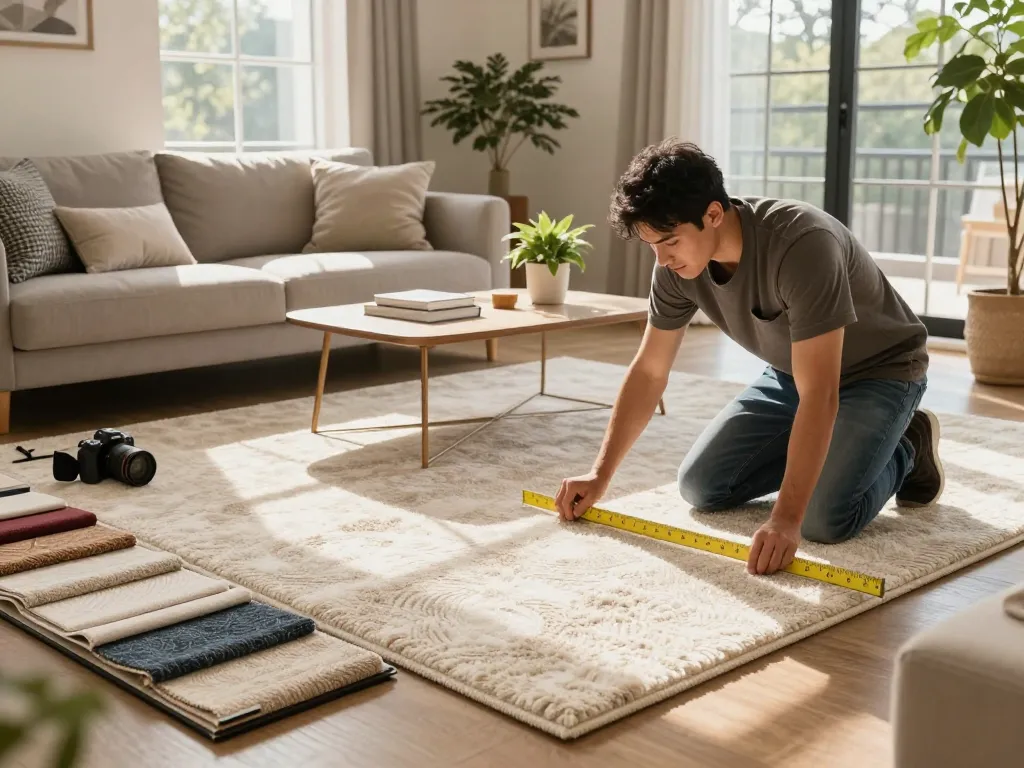
Accurate measurements are vital for ensuring you purchase the correct amount of carpet. If you’re not comfortable measuring yourself, consider hiring a professional to do this. Be sure to account for:
- Room dimensions, including length, width, and height for stairs.
- Any alcoves or nooks where carpet will be needed.
- Unique shapes or features of the room that could affect the layout.
Understanding the Role of Underlay in Carpet Longevity
An underlay plays an essential role in enhancing both comfort and durability. It acts as a cushion under the carpet, absorbing impact and providing insulation. Here are key benefits of using underlay:
- Increased Comfort: Underlay enhances the softness of the carpet underfoot, making it feel more comfortable.
- Sound Absorption: It can help reduce noise levels, making your home quieter.
- Prolonged Carpet Life: By absorbing wear and tear, underlay can help extend the life of your carpet.
Installation Process: What to Expect
The installation process can vary depending on the type of carpet and the specific techniques used. Once your home is prepared, understanding the installation workflow will help you to manage expectations.
Step-by-Step Guide to Residential Carpet Installation
Here’s a general overview of what the installation process includes:
- Removing Old Flooring: If necessary, this step ensures a clean surface for the new carpet.
- Laying the Underlay: The underlay is installed first, setting the foundation for your carpet.
- Measuring and Cutting the Carpet: Professionals will measure the carpet to fit perfectly in the designated space.
- Installing the Carpet: This includes stretching and securing the carpet in place.
- Finishing Touches: Trimming edges and ensuring everything is secured properly completes the installation.
Common Installation Techniques and Their Benefits
Different installation techniques cater to various carpet types and room features. Here are a few common methods:
- Stretch-in Installation: This method uses tack strips to hold the carpet in place, making it suitable for most rooms.
- Glue-down Installation: Ideal for commercial spaces or high-traffic areas, this technique involves adhesives to secure the carpet.
- Loose Lay Installation: Best for temporary solutions, loose lay carpets can be easily moved and are often used in rentals.
The Role of Equipment in Professional Installations
Professional installers use specific tools to achieve a high-quality installation. Some essential tools include:
- Carpet Stretchers: Used to stretch the carpet tightly, ensuring it fits snugly without wrinkles.
- Seaming Tools: These tools help in joining pieces of carpet seamlessly for a uniform appearance.
- Power Stretchers: An advanced version of manual stretchers that provide more power for larger areas.
Maintenance and Care for Your New Carpet
Once your carpet is installed, ongoing maintenance is necessary to ensure it lasts for years. Proper care can significantly affect the longevity and appearance of your carpet.
Effective Cleaning Techniques for Longevity
Regular cleaning is essential to keep your carpet looking new. Here are some effective cleaning techniques:
- Regular Vacuuming: Frequent vacuuming helps remove dirt and debris, preventing them from settling into the fibers.
- Deep Cleaning: Consider professional deep cleaning every 12-18 months to remove embedded dirt and stains.
- Spot Cleaning: Act quickly to clean spills and stains using appropriate cleaning solutions to avoid lasting damage.
Handling Stains and Everyday Wear
Stains are inevitable, but how you handle them can determine the lifespan of your carpet. Use these tips:
- Blot, don’t rub, spills to prevent them from spreading.
- Use a mixture of mild detergent and water for spot cleaning.
- Avoid harsh chemicals that can damage carpet fibers.
When to Call in Professionals for Carpet Care
If you encounter persistent stains or significant wear in high-traffic areas, professional cleaning might be necessary. Experts have access to specialized equipment and solutions that can restore your carpet’s appearance effectively.
Future Trends in Residential Carpet Installation
The carpet industry is evolving, with new trends emerging to meet the needs of modern homeowners. Understanding these trends can help you make informed decisions for your home.
Sustainable Carpeting Options for Eco-Friendly Homes
As sustainability becomes increasingly important, the demand for eco-friendly carpets is on the rise. Options include:
- Recycled Materials: Carpets made from recycled plastics or other materials reduce environmental impact.
- Bamboo and Natural Fibers: Sustainable materials that are biodegradable and offer unique aesthetics.
Innovative Technology in Carpet Manufacturing and Installation
Advancements in technology are enhancing the capabilities of carpet installation and maintenance. Innovations include:
- Smart Carpets: Carpets integrated with sensors that can monitor wear and cleanliness.
- Improved Adhesives and Backings: These lessen the environmental impact while offering enhanced performance.
Design Trends to Watch in 2026 and Beyond
As we look toward 2026, certain design trends are poised to gain traction:
- Bold Patterns: Expect a resurgence of unique designs that make a statement in residential spaces.
- Layered Textures: Combining different textures for a multi-dimensional look will become increasingly popular.
What is the average cost of residential carpet installation?
The cost of carpet installation varies significantly based on factors such as carpet type, room size, and geographic location. On average, homeowners can expect to spend anywhere from $3 to $10 per square foot, including materials and labor.
How long does the carpet installation process typically take?
Most residential carpet installations can be completed within a day, depending on the size of the area and preparation needed. Larger homes or complex layouts may require two days.
Are there specific carpet types recommended for high-traffic areas?
For high-traffic areas, select carpets that are durable and stain-resistant, such as Berber or frieze carpets, which can withstand wear while maintaining their appearance.
What are the benefits of carpet padding?
Carpet padding provides cushioning, enhances comfort, absorbs sound, and increases the longevity of the carpet by reducing wear and tear.
Can I install carpet over existing flooring?
Yes, it is possible to install carpet over existing flooring as long as the surface is clean, flat, and dry. However, consider the height increase and door clearances.