
Understanding Modern Style Trends
In the ever-evolving world of fashion, understanding the nuances of modern style trends is crucial for both enthusiasts and professionals alike. The fusion of art, culture, and personal expression has led to an enriching tapestry of styles that resonate across various demographics. When exploring options, style transcends mere clothing, becoming a profound form of communication that reflects individuality and societal shifts.
What Defines Urban Style Today?
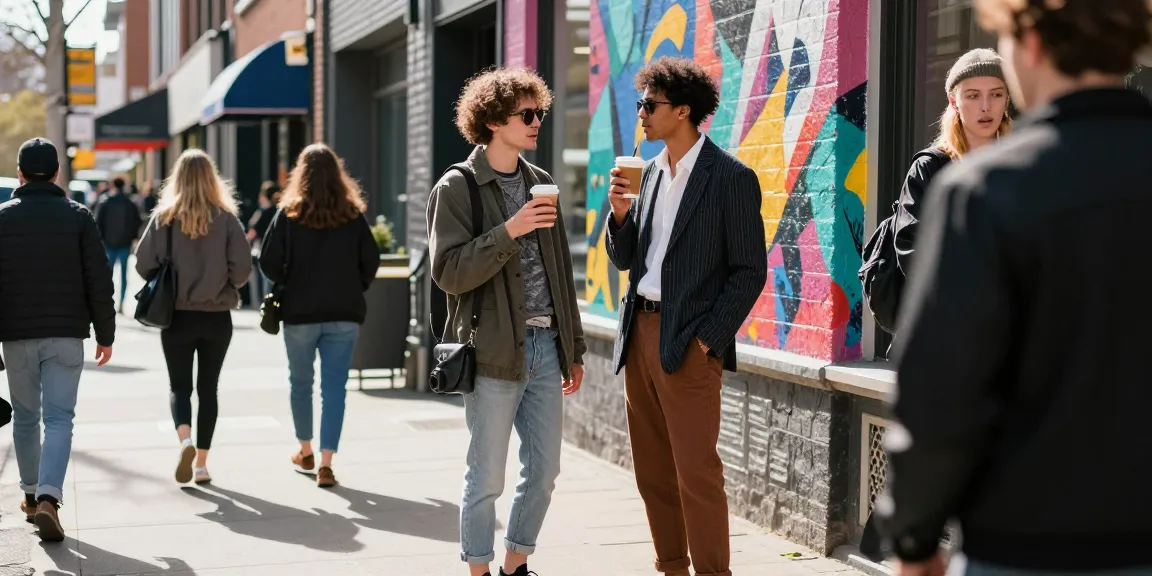
Urban style today is characterized by its adaptability and inclusivity, embracing influences from various cultures and time periods. Streetwear, once deemed niche, has emerged as a dominant force, blending practicality with high fashion. Characteristics such as oversized silhouettes, bold graphics, and a mix of textures highlight the rebellious spirit of urban fashion.
Moreover, the rise of social media has democratized the fashion landscape, allowing diverse voices to shape trends. Influencers and everyday individuals alike share their interpretations of urban style, making it more relatable and accessible. The use of sustainable materials and ethical practices has also become integral, as consumers demand accountability and transparency from brands.
The Impact of Culture on Fashion Trends
Fashion is a reflection of society, and cultural influences play a significant role in shaping contemporary styles. From the revival of vintage aesthetics to the incorporation of indigenous designs, culture informs every facet of fashion. For instance, the use of traditional patterns in modern garments not only honors cultural heritage but also promotes diversity within the industry.
Global events and movements also impact fashion trends. For example, the rise of the feminist movement has inspired a wave of clothing lines that promote empowerment and self-expression. These collections often feature powerful slogans and designs that resonate with the aspirations of modern women.
Key Elements of a Successful Style
Successful style is not solely about following the latest trends; it’s about understanding how to curate a wardrobe that reflects personal values and lifestyle. Key elements include:
- Versatility: Choosing pieces that can be styled in various ways for different occasions.
- Quality over Quantity: Investing in timeless, well-crafted items that withstand the test of time.
- Accessorizing: Utilizing accessories to elevate outfits, adding depth and personality.
- Confidence: Wearing your clothing with assurance, as confidence is the ultimate expression of style.
Crafting Your Unique Style Identity
Establishing a unique style identity is a journey of self-discovery, allowing individuals to express who they are through their clothing choices. This section dives into the process of identifying and cultivating a personal style that resonates with one’s identity.
Identifying Your Personal Style as an Expression
Everyone has a unique style waiting to be discovered. By exploring different aesthetics, individuals can hone in on what resonates with them. Consider factors like lifestyle, body type, and skin tone when determining preferences. Creating a vision board or collecting images that inspire can serve as a helpful tool in this discovery process.
Integrating Seasonal Trends into Your Wardrobe
Fashion constantly evolves with the seasons, presenting opportunities to refresh personal style. Integrating seasonal trends doesn’t mean overhauling your closet; instead, it involves incorporating a few contemporary pieces into your existing wardrobe. Look for key items that complement your current style rather than abandoning it altogether.
Utilizing Accessories to Enhance Style
Accessories are essential in transforming an outfit from ordinary to extraordinary. Statement jewelry, stylish bags, and versatile shoes can entirely change the vibe of an ensemble. Consider investments in classic accessories that can elevate multiple outfits, providing a more polished appearance.
Shopping Smart: Where to Find Style
Finding the right pieces requires both strategy and knowledge about current retailers that align with your style. This section outlines practical tips for shopping effectively and maximizing your wardrobe potential.
Best Stores for Urban Fashion in 2026
As the landscape of urban fashion continues to expand, several retailers are leading the charge in providing stylish, high-quality options. Stores like Zara and H&M remain staples for affordable fast fashion, while brands like A.P.C. and Off-White cater to those seeking elevated streetwear.
Additionally, consider exploring thrift stores and vintage boutiques for unique, one-of-a-kind finds. This not only contributes to sustainability but also allows for a more personalized wardrobe.
Online vs. In-Store Shopping: Pros and Cons
Both online and in-store shopping have their benefits and drawbacks. Online shopping offers convenience and a wider selection, while in-store shopping provides the ability to try items on and see them in person. Finding a balance between the two can lead to successful shopping experiences.
Utilize online resources to research items before purchasing in-store, and take advantage of in-store sales and exclusives when possible.
Budgeting for a Stylish Wardrobe
Building a stylish wardrobe doesn’t have to break the bank. Setting a budget and prioritizing purchases can help manage expenses. Consider the following tips to maintain financial health while still looking fabulous:
- Create a capsule wardrobe with versatile staples to maximize outfit combinations.
- Take advantage of sales and promotions without compromising on quality.
- Respect your budget: resist impulse purchases by giving yourself a 24-hour period before deciding to buy.
Styling Tips for Everyday Outfits
Everyday styling doesn’t have to be mundane. With the right tips and tricks, anyone can elevate their daily looks. This section offers practical advice for creating visually appealing outfits that remain comfortable and functional.
Mixing and Matching for Versatile Looks
Mastering the art of mixing and matching allows for endless outfit possibilities. Layering pieces and playing with patterns can create intriguing visual dynamics. For instance, pairing a floral top with striped pants can yield a balanced yet playful aesthetic. Experimentation is key to discovering combinations that work well together.
Casual vs. Formal: Dressing for Different Occasions
Understanding the balance between casual and formal attire is essential. For instance, a well-fitted blazer can elevate a casual outfit, making it suitable for more formal settings. Conversely, distressed jeans paired with a chic blouse can strike the right balance for casual outings.
Always consider the venue and occasion when selecting outfits, as proper dressing conveys respect and awareness of social norms.
Seasonal Style Adjustments: Staying Relevant Year-Round
To remain stylish throughout the year, embrace seasonal changes by updating your wardrobe accordingly. This could mean storing away summer clothing to make room for cozy winter layers. Accessories can also play a significant role in transitioning outfits from one season to another, allowing for continued expression regardless of the weather.
Future Trends to Watch in Fashion
As we look ahead, several trends are predicted to shape the future of fashion. Understanding these trends can keep fashion enthusiasts ahead of the curve and allow for proactive wardrobe planning.
Predictions for the Next Decade in Style
The next decade is set to witness a blend of nostalgia and futurism, where past styles are reinterpreted through innovative designs. Expect to see a resurgence of 90s and early 2000s aesthetics, juxtaposed with futuristic materials and technologies like smart fabrics.
The Role of Sustainability in Urban Fashion
Sustainability will continue to be a driving force in the fashion industry, influencing brand practices and consumer choices alike. Expect to see an increase in brands prioritizing eco-friendly materials, ethical production processes, and transparency in sourcing.
Innovations Reshaping the Fashion Landscape
Technology is reshaping the way we shop and experience fashion. Augmented reality (AR) and virtual reality (VR) are paving the way for innovative shopping experiences, allowing customers to visualize how clothing will look on them before making a purchase. This is just one of the ways the fashion landscape is evolving to meet the needs of modern consumers.